Mixed-Use Development
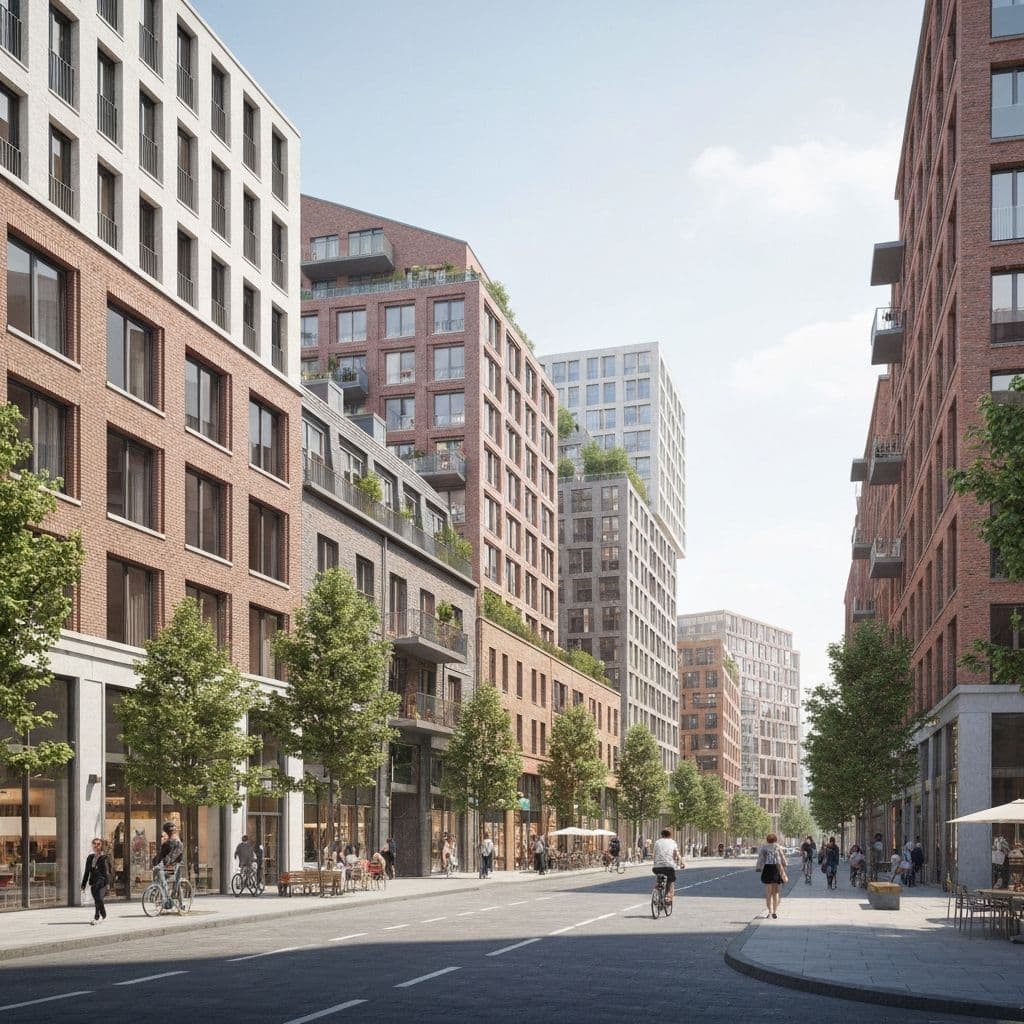
Mixed-use developments are among the most organizationally complex capital programs in real estate — requiring coordinated advisory across diverse building types, overlapping regulatory frameworks, multi-source capital structures, and competing stakeholder interests within a single site. As the owner's independent advisor, we bring disciplined phasing strategy, integrated financial and schedule oversight, and a holistic understanding of how residential, commercial, retail, and civic uses interact. Our role is to ensure that every construction and procurement decision across multiple phases serves the owner's development vision, protects long-term asset value, and manages the interdependencies that make mixed-use projects uniquely demanding.
Owner-Side Leadership
Why Mixed-Use Developments Require Specialized Project Leadership
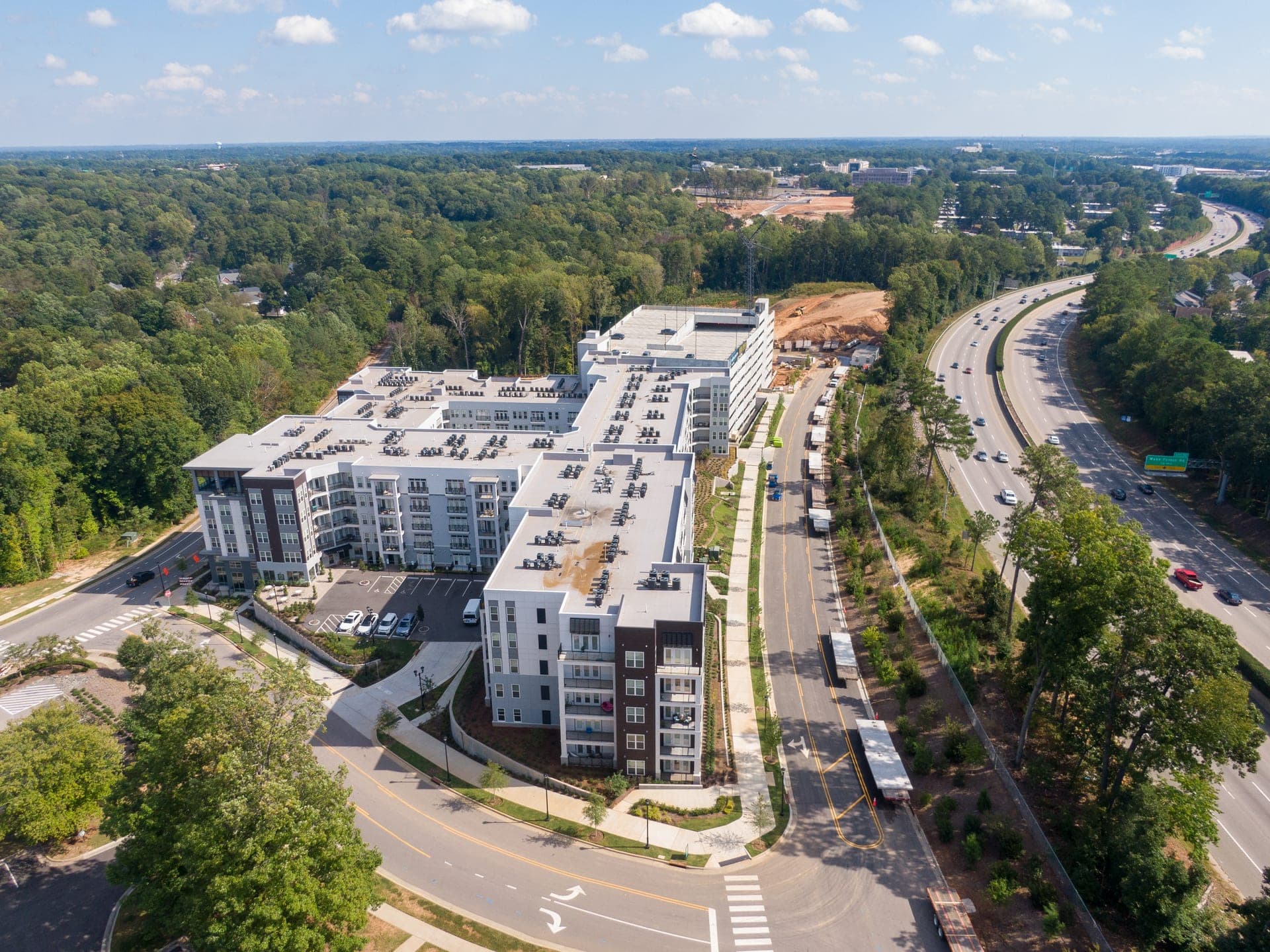
Mixed-use development is not simply the co-location of different building types on a single parcel — it is the deliberate integration of distinct real estate products, each with its own financing structure, regulatory framework, construction methodology, and operational model. The complexity is multiplicative rather than additive: a project combining residential, office, and retail uses does not face three sets of challenges but dozens of interdependencies that must be actively managed from concept through stabilization.
The owner's position in a mixed-use development is uniquely demanding. Unlike single-use projects where the developer's interests are relatively straightforward, mixed-use owners must balance competing investment horizons — residential units that need to sell at closing, retail spaces that must attract tenants before construction completes, and office floors that require market-responsive design flexibility. Each decision about shared infrastructure, phasing sequence, or common-area design reverberates across every use type in the development.
Effective owner-side leadership in mixed-use construction requires a rare combination of real estate development acumen, construction management discipline, and the political skill to navigate municipal entitlement processes that often impose community-benefit requirements, affordable housing mandates, or public-space obligations. The owner's representative must see the development as an integrated system and make construction decisions that preserve optionality, manage risk across phases, and protect the long-term value of the asset.
Key Challenges in Mixed-Use Development Construction
Mixed-use projects present a distinctive convergence of regulatory, financial, and operational complexity that demands experienced owner-side project leadership.
Entitlement and Zoning Complexity
Mixed-use projects frequently require planned-unit-development approvals, zoning variances, or overlay-district compliance that involve multiple municipal departments, public hearings, and community engagement processes. The entitlement timeline often governs the entire project schedule, and conditions of approval can impose design constraints, phasing requirements, or public-amenity obligations that significantly affect construction scope and cost.
Multi-Source Capital Stack Management
Large mixed-use developments typically involve complex capital structures — construction loans, mezzanine financing, tax-increment financing, EB-5 funds, or public subsidies — each with its own draw schedule, reporting requirements, and compliance obligations. The owner must ensure that construction progress, draw requests, and lender reporting remain synchronized across multiple funding sources with different disbursement triggers.
Vertical and Horizontal Phasing Interdependencies
Phased construction in mixed-use projects creates intricate dependencies: a parking podium may need to be completed before residential towers can begin; retail shell spaces must be delivered in time for tenant buildout; and shared mechanical systems must be sized and commissioned to serve both current and future phases. Mismanaging these interdependencies can strand capital, delay revenue, or require costly retrofits.
Condominium and Easement Structure Coordination
Mixed-use buildings often operate under condominium regimes or reciprocal easement agreements that define ownership boundaries, shared-system responsibilities, and cost-allocation formulas. These legal structures must be established during design and reflected accurately in construction documents. Errors or ambiguities in these frameworks create operational disputes and maintenance conflicts that persist for the life of the asset.
Simultaneous Multi-Tenant Coordination
Unlike single-use buildings where tenant buildout follows base-building completion in an orderly sequence, mixed-use projects often require concurrent coordination of restaurant kitchen installations, retail storefront construction, residential unit finishing, and office tenant improvements. Each tenant brings its own architect, contractor, and schedule expectations, and the owner must manage this complexity without compromising base-building systems or common-area quality.
Project Types We Manage
Urban Mixed-Use Districts
Large-scale urban redevelopment and master-planned districts
Transit-Oriented Developments
Mixed-use projects integrated with public transportation
Residential-Retail Mixed-Use
Apartments or condos with ground-floor retail and amenities
Office-Residential Mixed-Use
Integrated workspace and residential communities
Hotel-Residential Mixed-Use
Hospitality properties with residential components
Entertainment-Retail Districts
Dining, entertainment, and shopping destinations
Live-Work-Play Communities
Comprehensive developments with residential, office, and amenities
Vertical Mixed-Use Buildings
High-rise towers with multiple uses stacked vertically
Campus-Style Mixed-Use
Low-rise, campus-style integrated developments
Adaptive Reuse Mixed-Use
Historic building conversions to mixed-use properties
Waterfront Mixed-Use Developments
Marina districts and waterfront urban developments
Innovation District Mixed-Use
Tech-focused districts integrating office, residential, and amenities
Our Mixed-Use Development Expertise
Specialized Knowledge
Deep understanding of how residential, commercial, and retail building codes interact within shared structures, including fire-separation requirements, egress planning, and zoning overlay compliance
Proven Track Record
Successful delivery of complex mixed-use projects involving multi-phase horizontal and vertical construction, podium-and-tower configurations, and adaptive reuse of existing structures
Regulatory Navigation
Expert guidance through overlapping zoning classifications, planned-unit-development approvals, environmental impact reviews, and the entitlement processes that determine what can be built and when
End-to-End Support
Comprehensive owner-side services from master-plan feasibility and phasing strategy through construction administration, tenant coordination, and phased occupancy management across multiple use types
Services for Mixed-Use Development Projects
Explore the services Landmark Logix provides to support projects in mixed-use development environments.
Strategic Planning & Advisory
Owner's representation, feasibility assessment, governance frameworks, and stakeholder alignment — establishing the strategic foundation for complex projects.
Procurement & Financial Management
Strategic procurement, financial oversight, and budget controls that protect owner capital and hold vendors accountable throughout delivery.
Contract Administration & Risk Management
Owner-side contract oversight, change order management, risk visibility, and dispute prevention that keep projects on terms and on track.
Mixed-Use Development Challenges We Solve
Relevant Project Experience
Selected projects that reflect Landmark Logix experience in mixed-use development environments.
Sector Insights
Guidance and perspectives relevant to project delivery in mixed-use development environments.
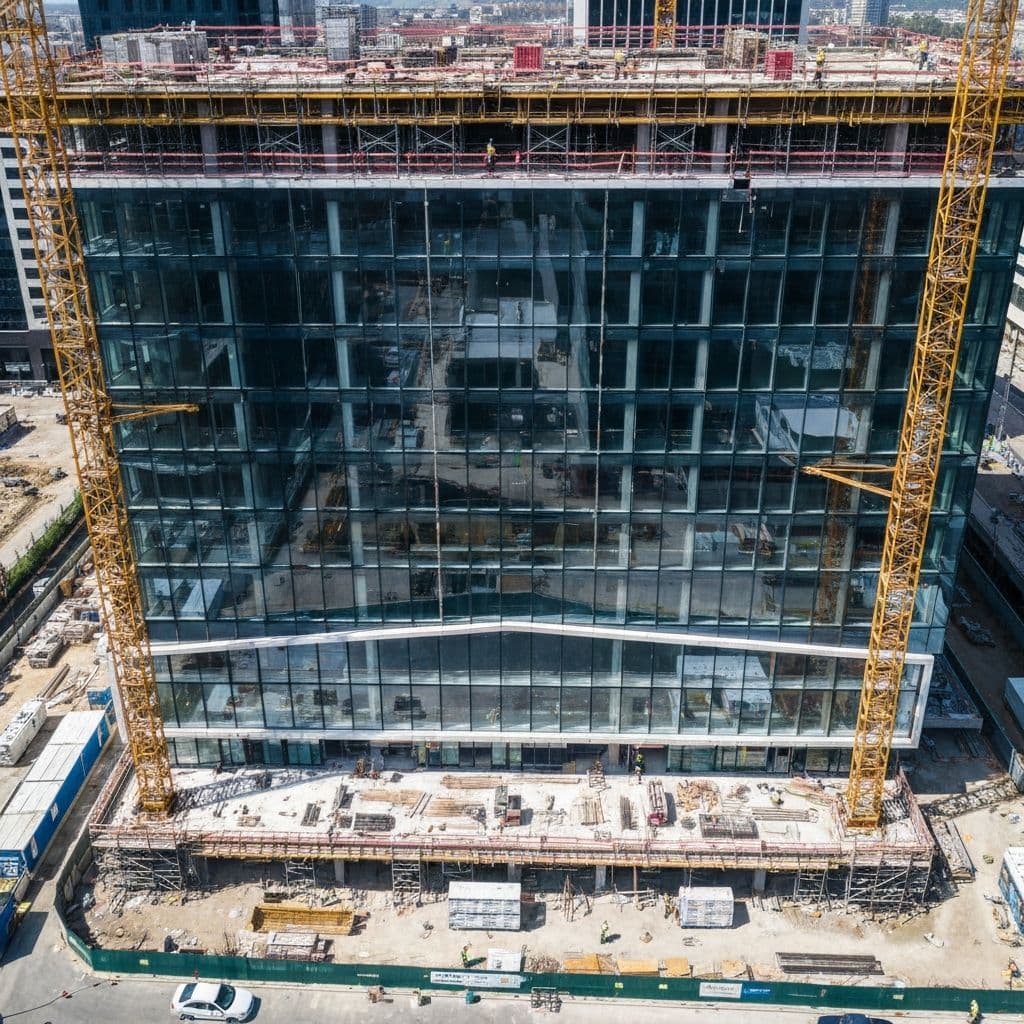
Phased Residential Community Development: Protecting Value Across Build-Out
Multi-year residential development succeeds or fails on phasing decisions — when amenities deliver, how infrastructure sequences, and whether later phases stay financeable when markets move.
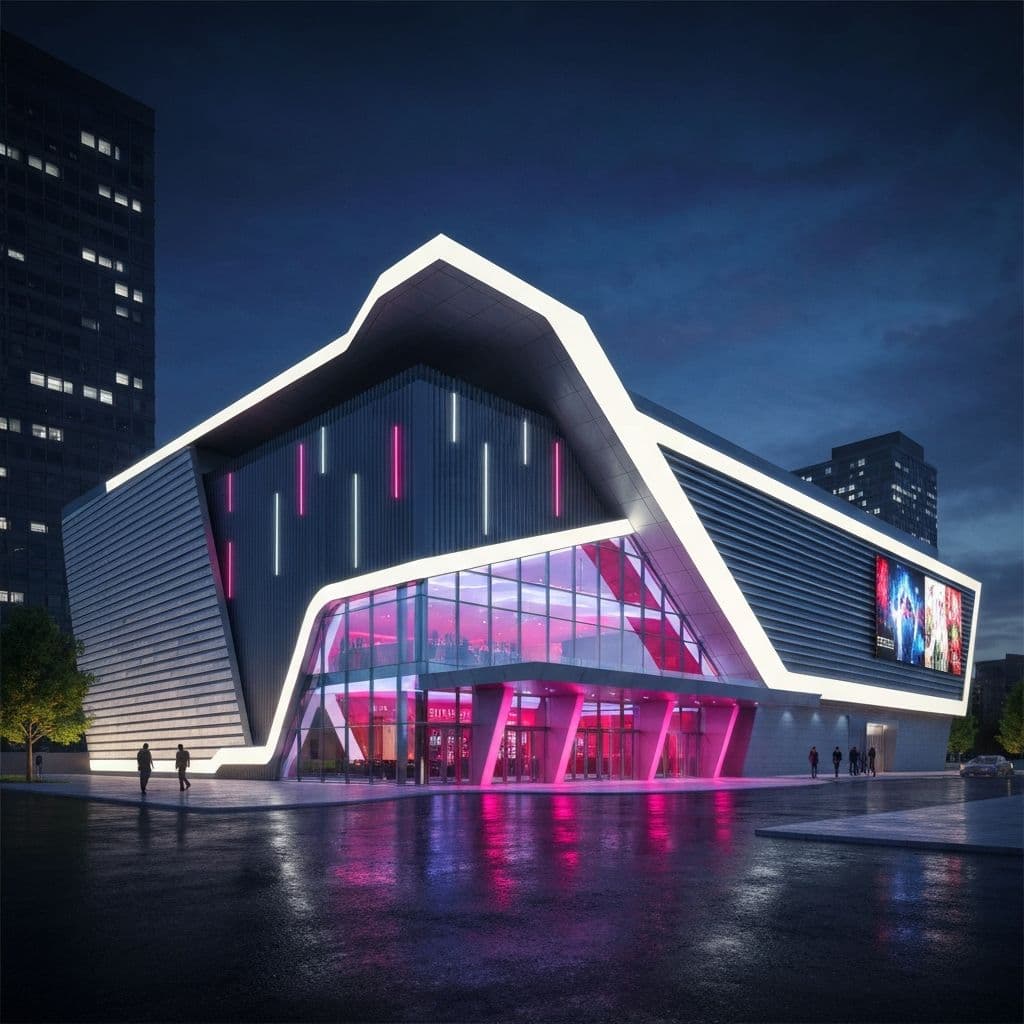
How Mixed-Use Developments Are Delivered Successfully
Mixed-use developments combine multiple building types, user groups, and delivery timelines into a single project. Success demands integrated planning and experienced project coordination from day one.
Coordinating Mixed-Use Developments: Lessons from Complex District Projects
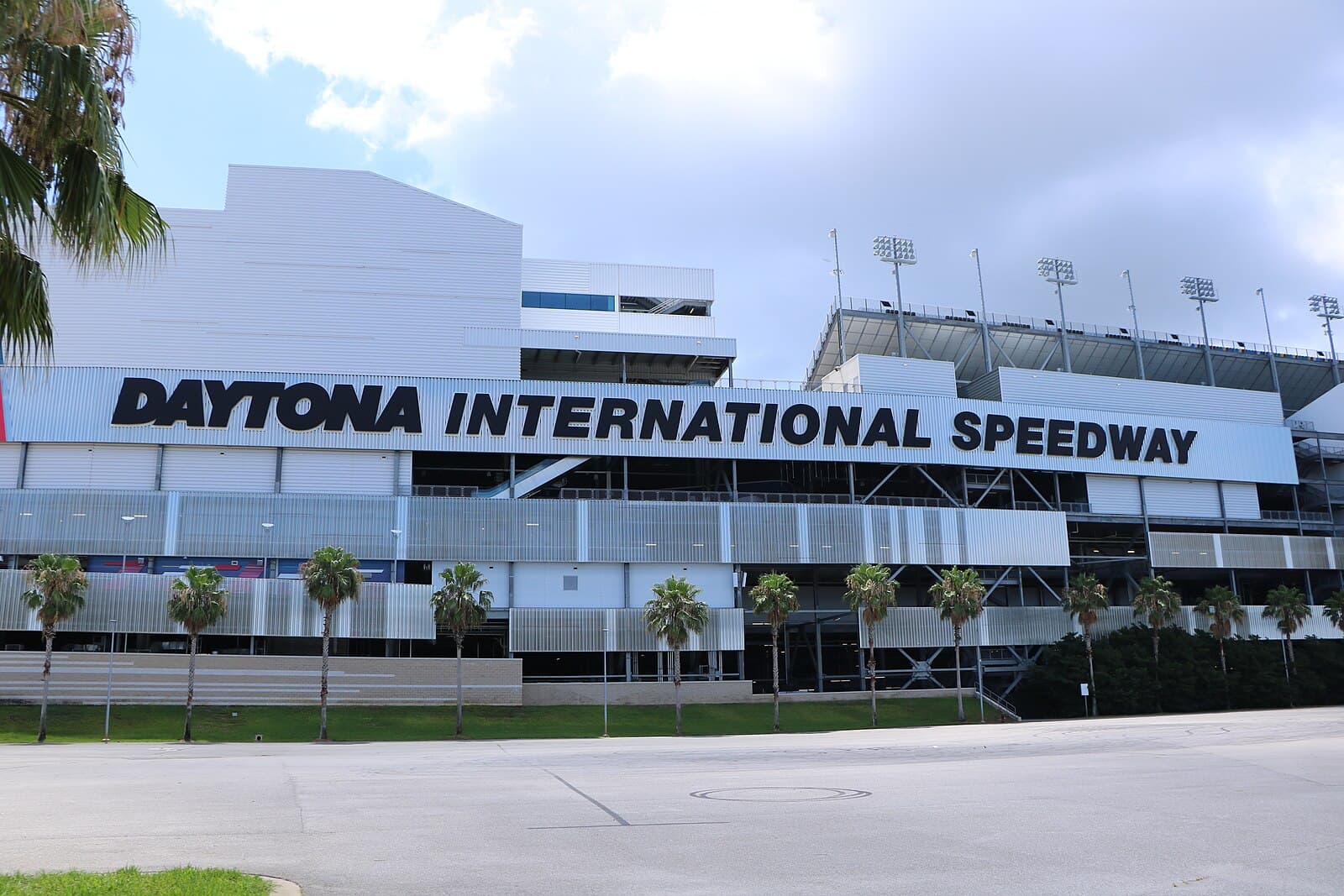
Mixed-use developments require coordinating hospitality, retail, residential, and entertainment components within a single cohesive vision. The coordination challenge is the project.
Planning a mixed-use development with multiple stakeholder interests?
Landmark Logix provides independent advisory for mixed-use projects where phased delivery, multi-stakeholder governance, and the coordination of residential, commercial, and public components demand structured owner-side leadership.