Why Mixed-Use Is Inherently Complex
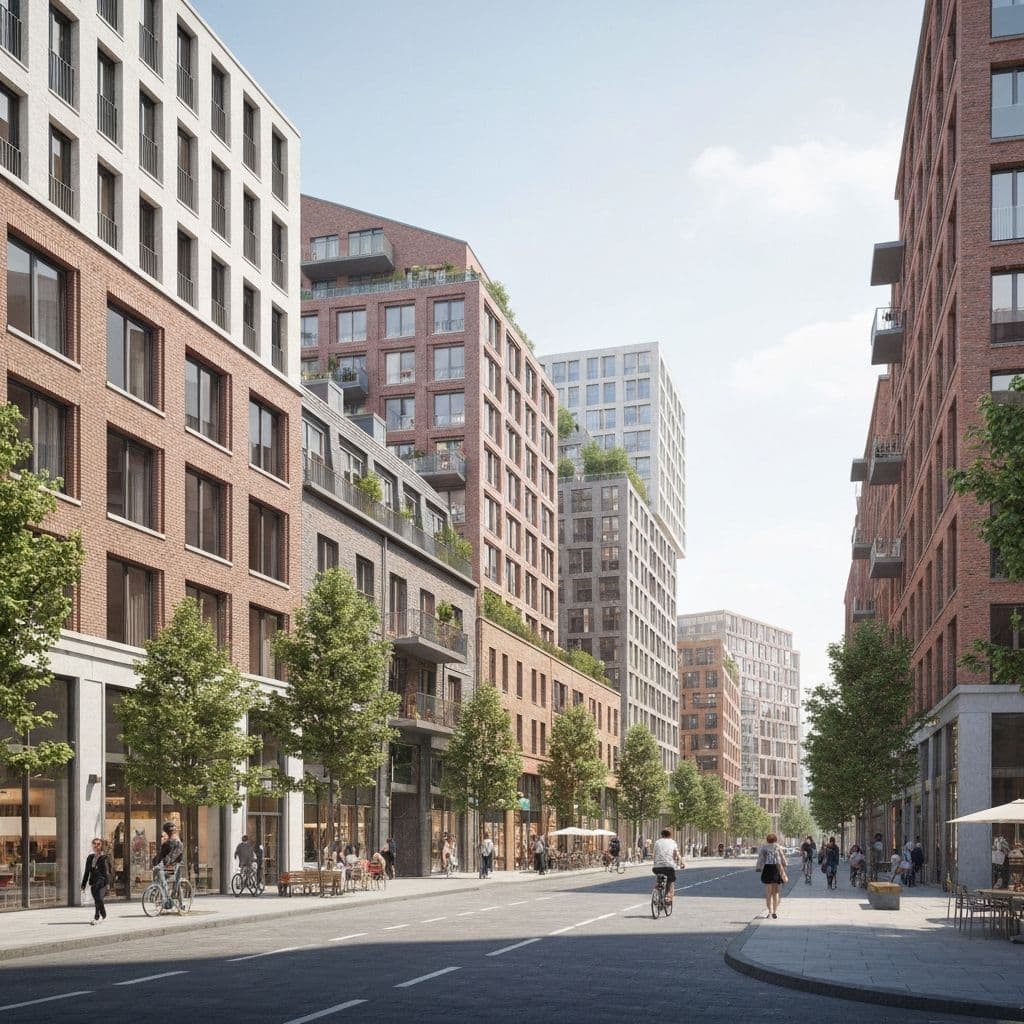
Mixed-use developments are among the most challenging construction projects to plan and deliver. By definition, they combine two or more distinct use types — retail, residential, office, hospitality, entertainment, or civic — within a single development. Each use type has its own design standards, building code requirements, operational needs, tenant expectations, and delivery timelines.
The appeal of mixed-use development is well established. Mixed-use creates vibrant, walkable environments that generate economic value greater than the sum of their parts. But the complexity of delivering these projects is frequently underestimated, leading to cost overruns, schedule delays, and operational conflicts that diminish the value the project was designed to create.
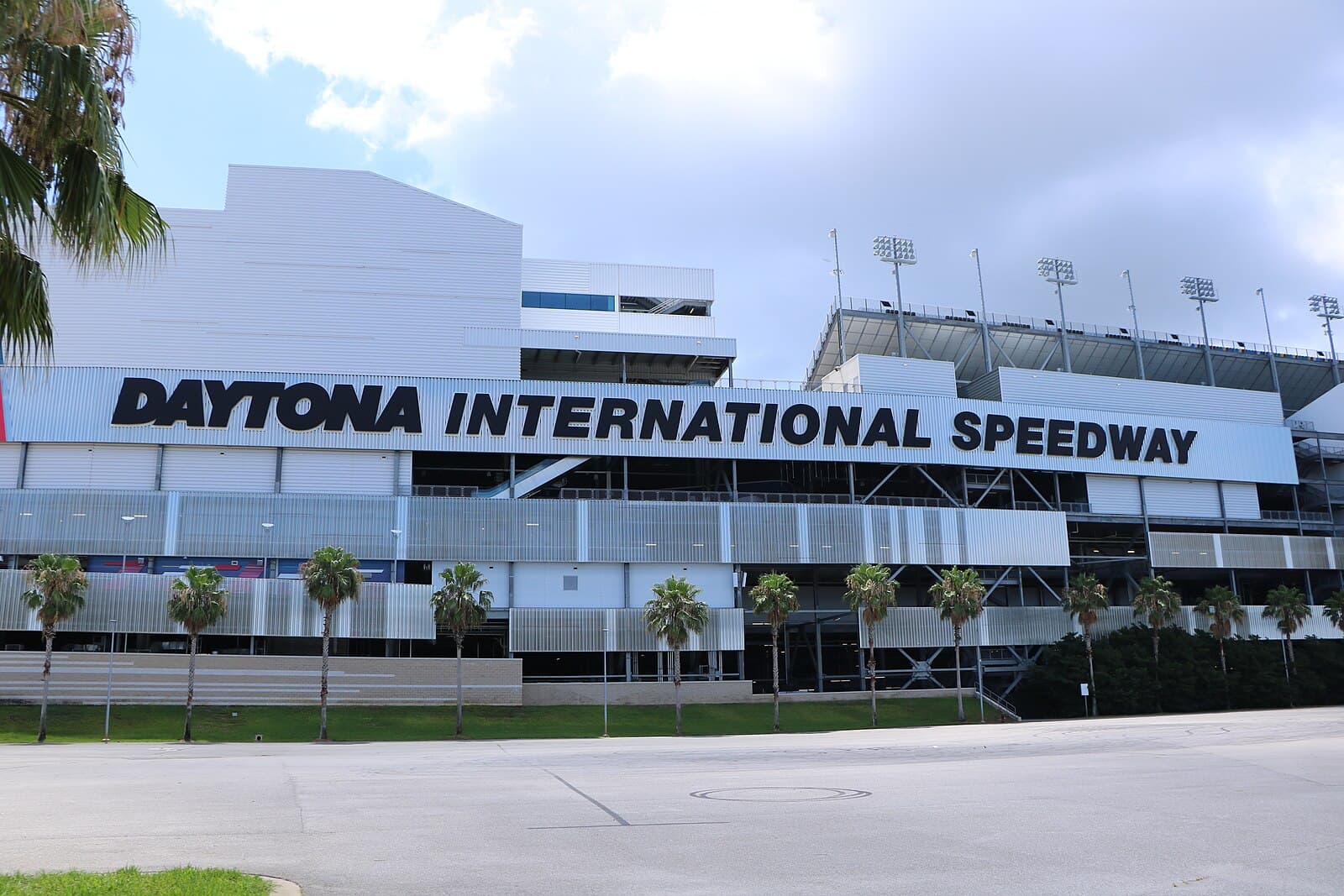
Projects like ONE DAYTONA demonstrate what is possible when mixed-use is delivered with the right planning and project leadership — and what level of coordination that achievement requires.
The Planning Imperative
Mixed-use projects fail or succeed in the planning phase. Once design and construction are underway, the fundamental relationships between uses are largely fixed. If those relationships have not been carefully planned, the project will carry their deficiencies through completion and into operations.
Effective strategic planning for mixed-use development addresses several critical dimensions:
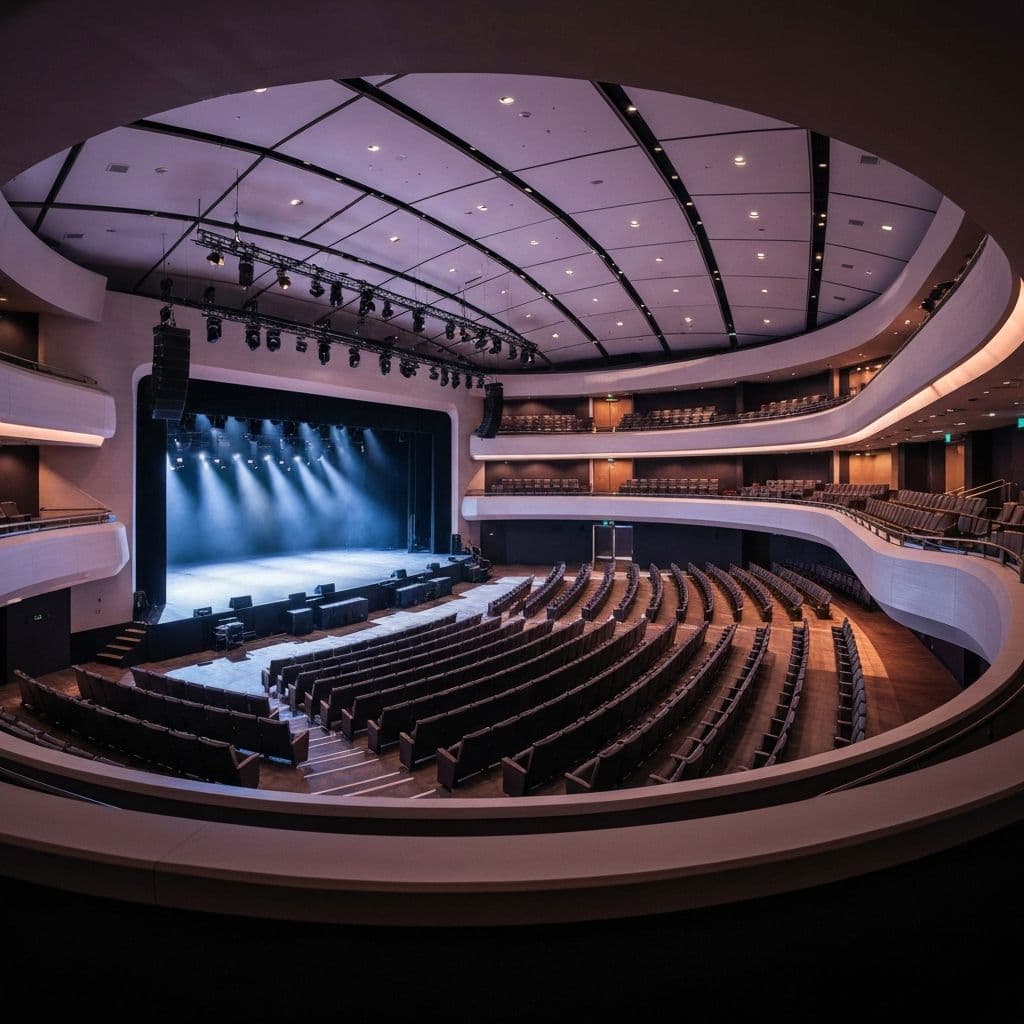
Use compatibility. Not all uses coexist easily. Residential occupants expect quiet evenings; entertainment venues generate noise and traffic. Retail tenants need visible storefronts and convenient access; office tenants prioritize secure, separate entry. The planning process must identify compatibility issues and resolve them through design, acoustic separation, traffic routing, and operational protocols.
Shared infrastructure. Mixed-use developments typically share parking, mechanical systems, fire protection, and site utilities across multiple uses. The sizing, cost allocation, and operational responsibility for shared systems must be resolved during planning. Deferring these decisions creates disputes during design, change orders during construction, and operational conflicts after occupancy.
Phasing and sequencing. Mixed-use projects are often delivered in phases, with some uses opening before others. The phasing strategy must ensure that each phase is operationally viable on its own while not compromising the infrastructure needed for subsequent phases.
Design Coordination Across Uses
Mixed-use design requires coordination across multiple design teams, each bringing expertise in their respective use type. A hospitality architect, a retail designer, and a residential architect may all be working on different portions of the same building — or the same floor.
The project leadership team must manage the interfaces between these design efforts. Common areas of conflict include:
- Floor-to-floor heights that vary by use type, creating structural and facade coordination challenges
- Mechanical system zoning that must serve different operating schedules and environmental requirements
- Fire and life safety systems that must address the different occupancy classifications within a single structure
- Loading, service, and waste management for uses with very different operational needs
- Signage and wayfinding that must serve multiple tenant brands and user groups without creating visual chaos
These coordination challenges are manageable with experienced project leadership, but they must be identified and addressed during design — not discovered during construction when changes are expensive and disruptive.
Procurement Strategy
The procurement strategy for mixed-use development must reflect the project's complexity. A single general contractor may not have expertise across all use types. Conversely, multiple prime contractors create coordination challenges that can slow progress and generate disputes.
The most effective approach depends on the specific project, but common strategies include:
- Construction manager at risk (CMAR) with trade packages organized by building system rather than by use type, ensuring coordination across uses
- Design-build for specialty components such as parking structures or entertainment venues, with a CMAR for the overall development
- Phased procurement that aligns contractor selection with the development phasing plan
Procurement and financial management for mixed-use projects must also address the financial complexity of developments with multiple ownership structures, funding sources, or tenant improvement allowances.
Managing Multiple Stakeholders
Mixed-use developments typically involve more stakeholders than single-use projects. Depending on the structure, the project may need to satisfy:
- The developer or institutional owner
- Individual tenants or anchor users
- Municipal planning and zoning authorities
- Transportation and infrastructure agencies
- Community groups and neighborhood organizations
- Lenders and equity partners
Each stakeholder group has legitimate interests that must be managed through the project lifecycle. Strategic advisory for mixed-use projects includes establishing stakeholder communication strategies that keep all parties informed without creating decision-making gridlock.
The most common governance failure in mixed-use development is allowing too many parties to have approval authority over design decisions. Effective governance structures define clear decision rights, with the development entity retaining authority over decisions that affect the overall project while granting tenants and users appropriate control over their own spaces.
Construction Logistics on Complex Sites
Mixed-use construction sites present logistical challenges that single-use projects rarely encounter. The site must accommodate:
- Multiple construction activities occurring simultaneously in different areas
- Material staging and delivery for different trades working on different uses
- Tenant fit-out work that may begin in completed areas while construction continues in others
- Partial occupancy requirements that demand separation between occupied and active construction areas
Site logistics planning must be integrated into the construction schedule from the outset. On urban mixed-use sites, where space is constrained, logistics planning becomes even more critical. Tower crane placement, material hoist locations, construction access routes, and temporary utility connections all require coordination across the full development scope.
Operational Transition
The transition from construction to operations is particularly complex for mixed-use developments. Different uses may open at different times, shared systems must be commissioned and balanced across all uses, and operational management structures must be established for common areas, parking, and shared amenities.
Effective transition planning begins during the design phase, when operational requirements should inform design decisions. The project team should include operations perspectives early enough to influence decisions about systems, access, maintenance access, and management infrastructure.
Post-occupancy, mixed-use developments require sophisticated property management that coordinates across uses. The project delivery team can contribute to operational success by ensuring that commissioning is thorough, that operations and maintenance documentation is complete, and that warranty management is coordinated across all uses and contractors.
The Value of Integrated Project Leadership
The common thread through every aspect of successful mixed-use delivery is integration. Mixed-use projects fail when they are treated as a collection of independent projects that happen to share a site. They succeed when they are planned, designed, and delivered as integrated developments with a unified project leadership team that manages the interdependencies between uses.
Conclusion
Mixed-use development offers significant value for communities, institutions, and investors. Realizing that value requires a level of planning sophistication and project coordination that exceeds what most single-use projects demand. For organizations considering a mixed-use initiative, investing in experienced, integrated project leadership is not optional — it is the foundation of successful delivery. Contact our team to discuss how we can support your next mixed-use development.