Landmark Logix
About
Services
  • Strategic Planning & Advisory
  • Procurement & Financial Management
  • Contract Administration & Risk
  • Design & Regulatory Management
  • Construction Management
  • Technology Integration
  • Operations Optimization
Sectors
  • Education & Research
  • Cultural & Arts
  • Sports & Athletics
  • Entertainment & Leisure
  • Hospitality & Tourism
  • Corporate & Commercial
  • Mixed-Use Development
  • Residential & Community
  • Civic & Government
  • Healthcare & Wellness
  • Industrial & Specialized
  • Transportation & Infrastructure
ProjectsProcessInsightsContact
Coordinating Mixed-Use Developments: Lessons from Complex District Projects
Back to InsightsCapital Planning

Coordinating Mixed-Use Developments: Lessons from Complex District Projects

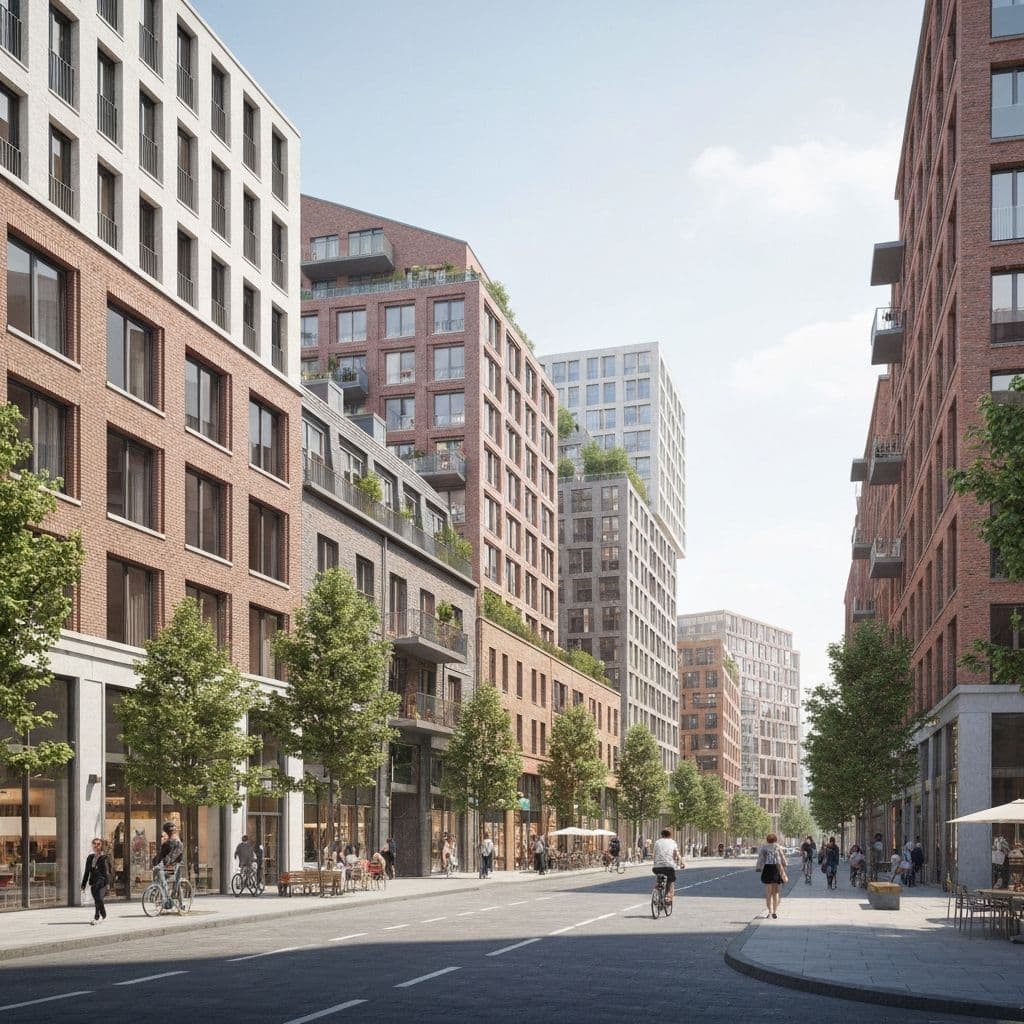
Mixed-use developments require coordinating hospitality, retail, residential, and entertainment components within a single cohesive vision. The coordination challenge is the project.

Landmark LogixDecember 10, 20251 min read

The Coordination Challenge

Mixed-use developments are fundamentally coordination projects. They combine multiple building types, tenant requirements, infrastructure systems, and delivery timelines into a single development — each with different stakeholders, codes, and success criteria.

Key Coordination Dimensions

Programming Alignment

Mixed-use districts must balance competing programming needs:

  • Retail tenants need visibility and foot traffic
  • Residential components need privacy and quiet
  • Entertainment venues need load-in access and noise mitigation
  • Hospitality anchors need arrival sequences and service logistics

Infrastructure Integration

Shared infrastructure systems require early and continuous coordination:

  • Utility sizing for diverse load profiles
  • Parking structures serving multiple uses with different peak demand patterns
  • Stormwater and site drainage across large development footprints
  • Shared amenity spaces requiring maintenance agreements

Phased Delivery

Most mixed-use developments deliver in phases. Effective phasing requires:

  • Clear construction sequencing that minimizes disruption to operating components
  • Temporary infrastructure strategies during intermediate phases
  • Tenant coordination across overlapping construction and fit-out schedules

Stakeholder Management

Mixed-use projects typically involve:

  • Developer leadership and investment partners
  • Municipal planning and permitting authorities
  • Anchor tenants with approval rights
  • Community stakeholders and adjacent property owners
  • Multiple design and engineering teams working in parallel

Best Practices

  1. Establish a master development schedule — not just a construction schedule
  2. Define stakeholder decision frameworks early — who approves what, and when
  3. Create shared design standards across the development to maintain coherence
  4. Plan infrastructure for full buildout even when delivering in phases

Conclusion

The most successful mixed-use developments are those where coordination is treated as a primary discipline, not an afterthought. Experienced project leadership provides the structured oversight necessary to align diverse stakeholders and deliver complex, multi-component developments.

Share

Key Takeaway

In mixed-use development, the coordination challenge is the project. Success depends on structured stakeholder alignment and phased delivery planning.

More Insights

Continue exploring practical perspectives on project leadership and delivery.

The First Year of Ownership: Why Operations Decide Whether a Capital Project Pays Off
Operations & Facilities·5 min read

The First Year of Ownership: Why Operations Decide Whether a Capital Project Pays Off

A building's first year of operation sets its cost trajectory, its performance baseline, and its warranty outcomes for decades. Owners who treat handover as the finish line surrender value the project was designed to deliver.

Read article
Guest-Facing Venue Upgrades: Managing Life-Safety and Code Risk Without Closing the Doors
Risk Management·5 min read

Guest-Facing Venue Upgrades: Managing Life-Safety and Code Risk Without Closing the Doors

Renovating occupied venues means managing egress, occupancy limits, fire protection, and crowd safety in a building full of guests. Phased code compliance, temporary life-safety measures, and AHJ coordination — and the owner's non-delegable responsibility for public safety.

Read article
Owner Oversight for Industrial and Specialized Facilities
Owner Representation·5 min read

Owner Oversight for Industrial and Specialized Facilities

Central plants, laboratories, production facilities, and logistics centers concentrate their risk in performance specifications and vendor-proprietary systems. Owner-side oversight in these projects looks different — and matters more.

Read article
View All Insights

Related Services

Explore Landmark Logix services relevant to the topics discussed in this article.

Strategic Planning & Advisory

Owner's representation, feasibility assessment, governance frameworks, and stakeholder alignment — establishing the strategic foundation for complex projects.

Learn more

Procurement & Financial Management

Strategic procurement, financial oversight, and budget controls that protect owner capital and hold vendors accountable throughout delivery.

Learn more

Construction Management & Quality Control

Independent field oversight, quality assurance, and contractor accountability — ensuring what gets built matches what was designed and contracted.

Learn more
View All Services

Related Sectors

Explore sectors where the insights discussed in this article are most applicable.

Mixed-Use Development sector

Mixed-Use Development

Integrated developments combining residential, retail, and commercial spaces.

Explore sector
Entertainment & Leisure sector

Entertainment & Leisure

Concert halls, entertainment complexes, and leisure destinations that create memorable experiences.

Explore sector
Hospitality & Tourism sector

Hospitality & Tourism

Hotels, resorts, and destination properties that deliver exceptional guest experiences.

Explore sector
View All Sectors

Related Projects

Projects where Landmark Logix applied the approaches discussed in this article.

One Daytona
Project

One Daytona

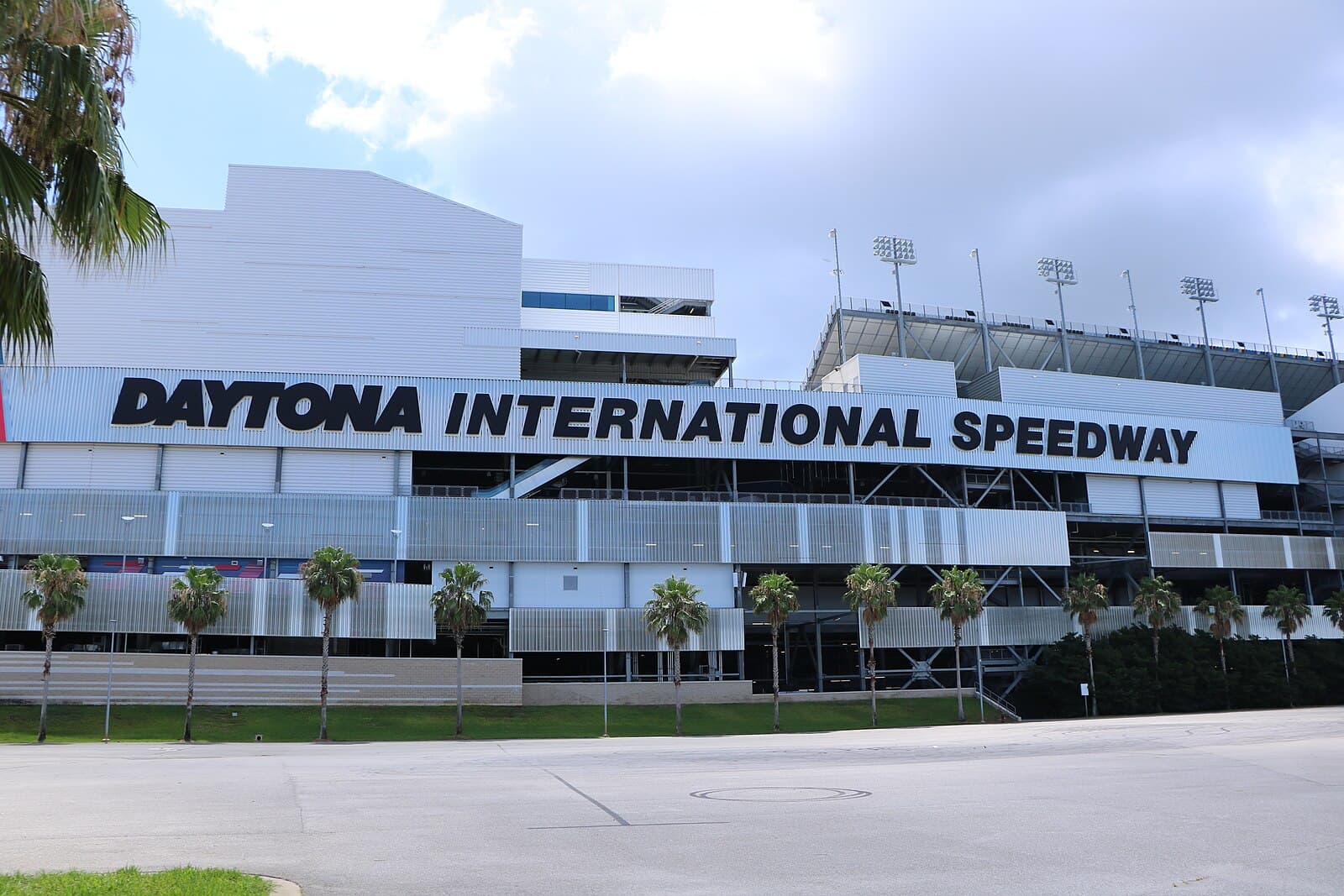
Case study of the One Daytona mixed-use entertainment district in Daytona Beach, Florida, a destination development located across from Daytona International Speedway.

Learn more
The Conservatory at Hammock Beach
Project

The Conservatory at Hammock Beach

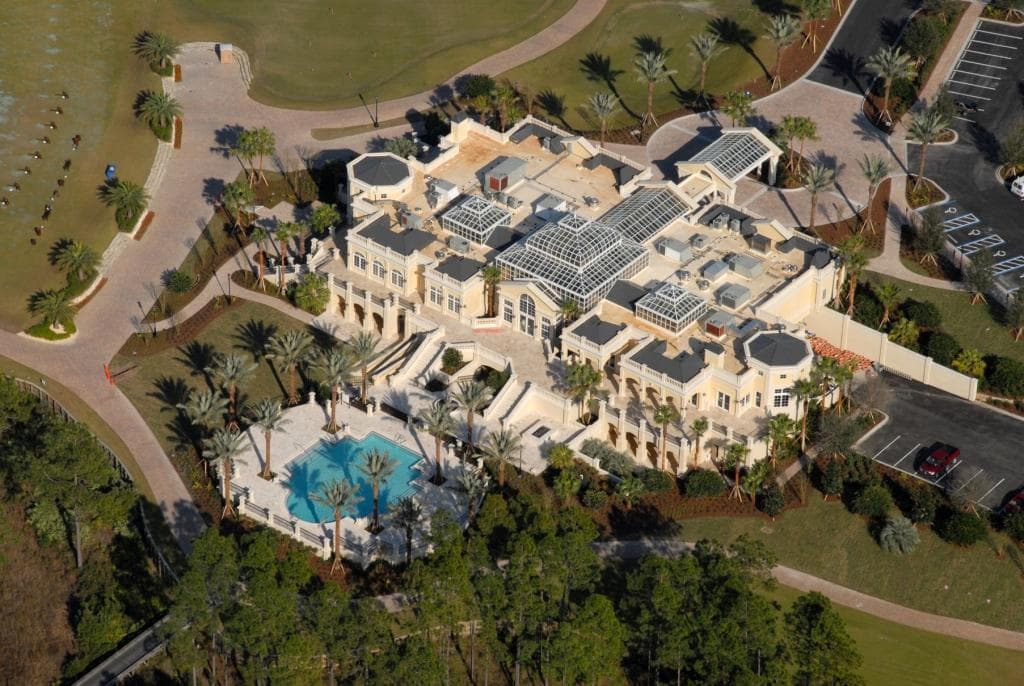
Case study of The Conservatory at Hammock Beach, a private golf club and clubhouse development located in Palm Coast, Florida.

Learn more

Ready to discuss your project?

Landmark Logix provides experienced owner-side leadership for complex capital projects. Let's explore how we can support your goals.

Discuss Your Project
Landmark Logix

Owner-side project leadership for complex capital projects requiring structure, coordination, and disciplined oversight.

Services

  • Services Overview
  • Strategic Planning & Advisory
  • Procurement & Financial Management
  • Contract Administration & Risk
  • Construction Management & QC
  • Operations Optimization

Portfolio

  • Projects
  • Insights
  • FAQ

Sectors

  • Cultural & Arts
  • Sports & Athletics
  • Hospitality & Tourism
  • Mixed-Use Development
  • Civic & Government
  • All Sectors

Contact

  • (202) 643-5467
  • info@landmarklogix.com
  • Alexandria, VA

Occasional insights on project leadership, planning, and complex capital delivery.

You can unsubscribe at any time. See our Privacy Policy.

© 2026 Landmark Logix. All rights reserved.

Privacy PolicyTerms of ServiceSite MapDelete My Data