Corporate & Commercial
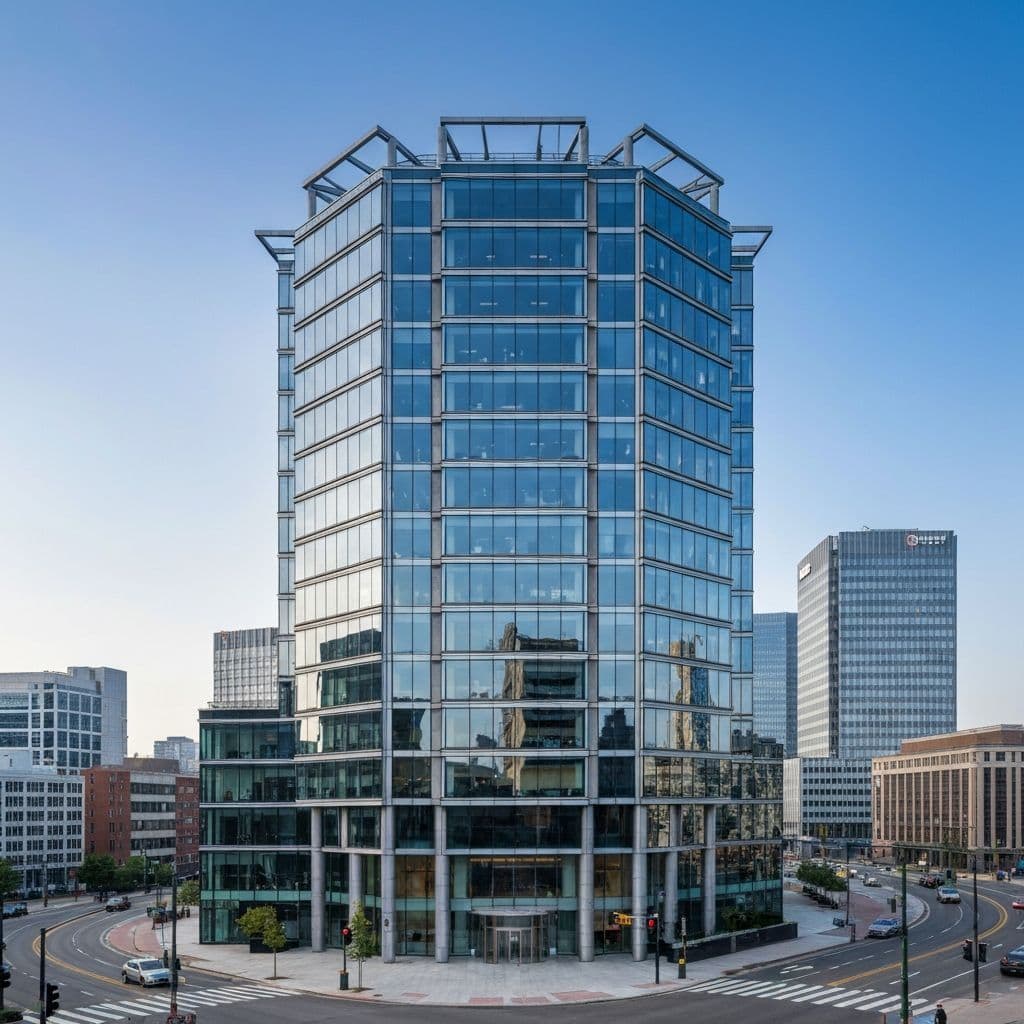
Corporate and commercial developments require sophisticated project management that balances business needs, employee experience, and financial performance. From headquarters campuses to retail centers, we deliver projects that enhance productivity, attract talent, and maximize investment returns.
Owner-Side Leadership
Why Corporate Capital Projects Demand Independent Owner Oversight
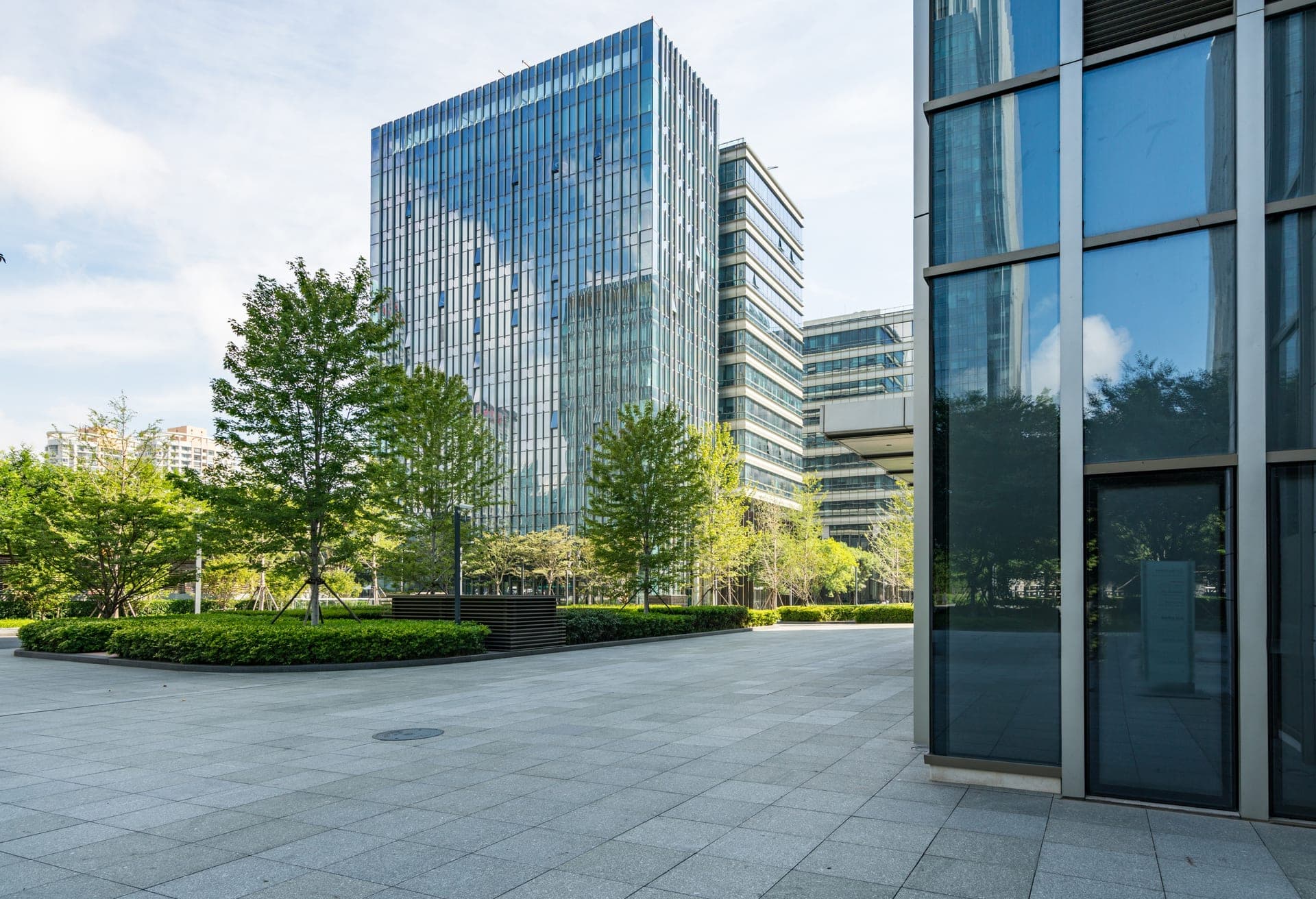
Corporate real estate decisions are, at their core, business strategy decisions. The choice of location, the design of the workplace, and the scale of facility investment directly influence an organization's ability to attract and retain talent, drive operational efficiency, and project brand identity to clients, partners, and the market. Yet most corporate owners build or renovate major facilities only a few times in a generation. They lack the in-house capital project expertise to navigate the complexities of design procurement, construction delivery, and technology integration. Without independent advisory representation, corporate owners rely on the same design and construction firms whose financial interests may not fully align with the owner's goals for cost, schedule, and long-term performance. An experienced owner's representative bridges this gap, bringing institutional knowledge of capital project delivery to organizations whose core competencies lie elsewhere.
The disconnect between corporate real estate teams and construction delivery is one of the most consequential risks in commercial capital projects. Corporate RE professionals typically possess deep expertise in lease economics, space planning, and portfolio strategy — but they rarely have hands-on experience managing architectural and engineering design teams, evaluating general contractor performance, negotiating change orders, or assessing construction risk in real time. This gap creates significant vulnerability: design decisions made without construction cost awareness, contractor selections driven by relationships rather than capability, and change orders accepted without rigorous analysis. An independent owner's advisor provides the project management discipline, construction knowledge, and fiduciary perspective that corporate real estate teams need to protect their organization's investment and ensure the finished facility meets its intended business objectives.
Modern corporate facilities are no longer simply office space — they are technology-dense environments where building automation systems, audiovisual infrastructure, enterprise security platforms, IT networking, and sustainability monitoring systems must operate as an integrated whole. The coordination required to deliver these converging systems exceeds what most corporate project teams encounter in their day-to-day operations. Workplace technology decisions made during design have long-term implications for operational costs, employee experience, and facility adaptability. Additionally, the push toward LEED, WELL, and net-zero certifications adds another layer of technical complexity that demands specialized oversight. An owner-side advisor experienced in corporate facility delivery ensures that technology integration is planned holistically, sustainability goals are embedded from the earliest design phases, and the finished environment supports the organization's operational and strategic vision for years to come.
Key Challenges in Corporate & Commercial Construction
Corporate capital projects present unique challenges that require experienced owner-side leadership to navigate successfully.
Maintaining Business Operations During Renovation and Relocation
Corporate renovation and relocation projects must be executed without disrupting the daily operations that generate revenue and serve clients. Phased construction in occupied office environments requires meticulous planning around business-critical functions, sensitive equipment, data infrastructure, and employee workflows. Noise, dust, vibration, and temporary utility shutdowns must be sequenced to minimize impact on productivity. Swing space strategies, temporary relocations, and after-hours work all carry cost and schedule implications that demand experienced coordination. Without a structured operational continuity plan managed by an owner's representative, even well-intentioned renovation projects can erode employee morale, disrupt client-facing operations, and ultimately cost more than the construction itself.
Workplace Technology Integration and Future-Proofing
Today's corporate facilities must seamlessly integrate building management systems, enterprise IT infrastructure, audiovisual conferencing technology, access control and security systems, and increasingly sophisticated IoT sensor networks. These systems are typically specified by different consultants, procured through separate contracts, and installed by specialized subcontractors — creating coordination gaps that can result in incompatible platforms, insufficient infrastructure capacity, and costly rework. Furthermore, the rapid pace of workplace technology evolution means that facilities must be designed with adaptability in mind, incorporating flexible pathway infrastructure, scalable power and data distribution, and open-protocol building systems that can accommodate future technologies without wholesale renovation.
Sustainability Certification and ESG Compliance Pressure
Corporate owners face mounting pressure from investors, boards, tenants, and regulatory bodies to demonstrate environmental responsibility through measurable sustainability outcomes. Achieving LEED Gold or Platinum, WELL Building certification, or Energy Star ratings requires integrated design strategies that must be established early and tracked rigorously throughout construction. ESG reporting obligations increasingly demand verifiable data on embodied carbon, operational energy performance, water consumption, and indoor environmental quality. The gap between sustainability commitments made at the C-suite level and the technical execution required on the construction site is substantial, and without an owner's advisor who understands both the certification processes and the construction realities, projects frequently fall short of their stated sustainability goals.
Multi-Stakeholder Governance Across Business Units
Large corporate capital projects typically serve multiple business units, each with distinct operational requirements, design preferences, budget expectations, and decision-making authority. Executive leadership, human resources, information technology, facilities management, and individual department heads all have legitimate interests that must be coordinated into a coherent project program. Without structured governance frameworks, corporate projects devolve into competing priorities, scope creep, and decision paralysis. An effective owner's representative establishes clear decision-making protocols, manages stakeholder input through organized programming and design review sessions, and ensures that the project program reflects organizational priorities rather than the loudest voices in the room.
Schedule Pressure from Lease Expirations and Business Commitments
Corporate construction schedules are frequently driven by immovable business deadlines — lease expirations, planned office consolidations, regulatory requirements, or strategic launch dates that cannot be renegotiated without significant financial consequences. These hard deadlines create schedule pressure that contractors may exploit through aggressive change order strategies, and they leave little margin for the design delays, permitting holdups, and supply chain disruptions that characterize modern construction. An owner's representative experienced in corporate project delivery builds realistic schedule contingencies, identifies critical path risks early, negotiates lease extensions or holdover provisions where necessary, and maintains the schedule discipline required to deliver facilities on time against business-critical deadlines.
Project Types We Manage
Corporate Headquarters
Executive offices and flagship corporate campuses
Office Buildings & Campuses
Class A office towers and multi-building campuses
Retail & Shopping Centers
Retail developments from neighborhood centers to regional malls
Mixed-Use Developments
Integrated commercial, residential, and retail projects
Banking & Financial Institutions
Bank branches, financial centers, and trading floors
Workspace Renovation Projects
Office modernization and repositioning projects
Technology & Innovation Hubs
Tech campuses and innovation centers
Creative Workspaces
Studios, creative offices, and collaborative spaces
Flagship Retail Locations
Signature retail stores and brand experiences
Data Centers
Mission-critical data and technology infrastructure
Broadcast & Media Facilities
Studios, production facilities, and media centers
Commercial District Development
Master-planned commercial and business districts
Our Corporate & Commercial Expertise
Workplace Innovation
Creating environments that enhance productivity and attract talent
Investment Performance
Maximizing returns through strategic planning and execution
Tenant Experience
Delivering spaces that meet evolving business needs
Sustainability Leadership
LEED, WELL, and green building certification expertise
Services for Corporate & Commercial Projects
Explore the services Landmark Logix provides to support projects in corporate & commercial environments.
Strategic Planning & Advisory
Owner's representation, feasibility assessment, governance frameworks, and stakeholder alignment — establishing the strategic foundation for complex projects.
Procurement & Financial Management
Strategic procurement, financial oversight, and budget controls that protect owner capital and hold vendors accountable throughout delivery.
Construction Management & Quality Control
Independent field oversight, quality assurance, and contractor accountability — ensuring what gets built matches what was designed and contracted.
Corporate & Commercial Challenges We Solve
Relevant Project Experience
Selected projects that reflect Landmark Logix experience in corporate & commercial environments.
Sector Insights
Guidance and perspectives relevant to project delivery in corporate & commercial environments.

Owner Oversight for Industrial and Specialized Facilities
Central plants, laboratories, production facilities, and logistics centers concentrate their risk in performance specifications and vendor-proprietary systems. Owner-side oversight in these projects looks different — and matters more.
What Owner Representation Actually Means in Construction
Owner representation is widely misunderstood. It is not project management by another name — it is a fundamentally different approach to protecting institutional interests during capital project delivery.
Design Reviews That Protect Budgets: Catching Cost Before It's Drawn
Cost is committed during design, discovered during bidding, and paid during construction. Independent owner-side design review at each milestone catches scope gaps, cost-inflating details, and constructability problems while they are still cheap to fix.
Considering advisory support for a corporate capital project?
Landmark Logix provides independent owner-side advisory for corporate headquarters, office developments, and commercial facilities where business continuity, technology integration, and investment performance drive project decisions.