Residential & Community
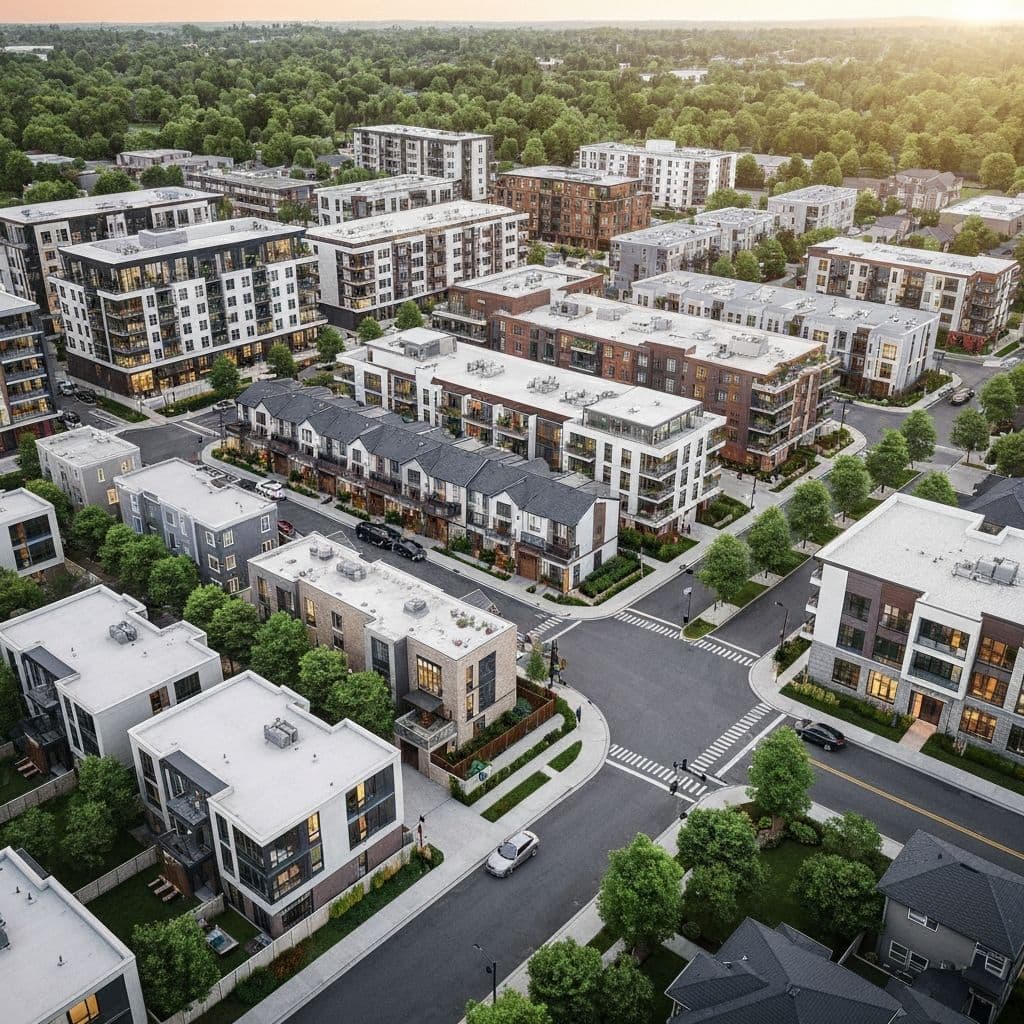
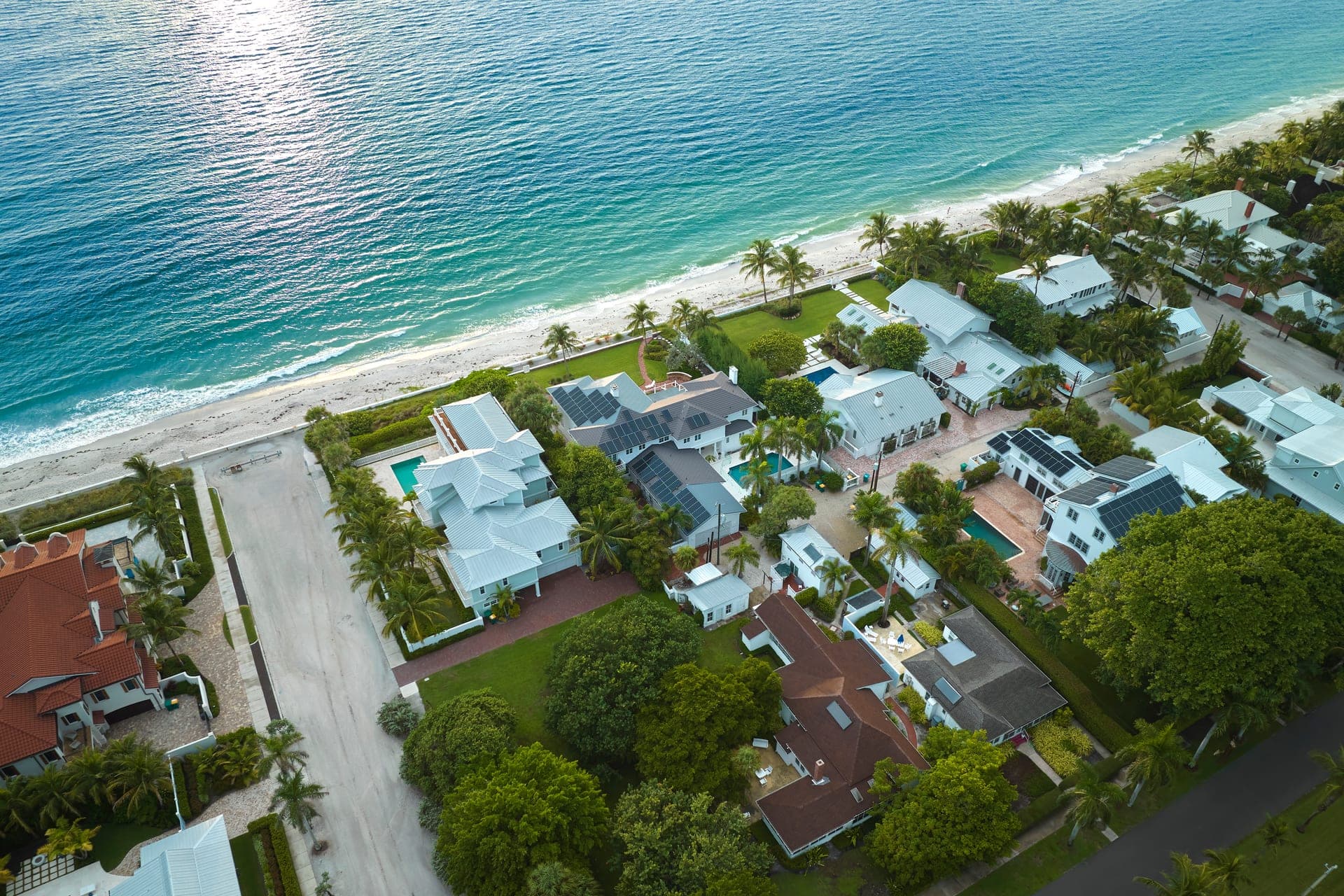
Residential and community projects demand attention to detail, quality craftsmanship, and understanding of how people live. From luxury estates to multi-family communities and senior living facilities, we deliver projects that enhance quality of life and build lasting value.
Owner-Side Leadership
Why Complex Residential Projects Benefit from Independent Advisory
High-end residential and community development projects carry expectations that exceed typical commercial construction in virtually every dimension. Discerning owners expect flawless finishes, bespoke materials sourced from artisan workshops worldwide, and seamless technology integration that operates invisibly behind museum-quality interiors. The tolerance for defects approaches zero — a misaligned stone joint, a visible electrical conduit, or an HVAC system that produces audible noise in a bedroom is not a punch-list item to be addressed at completion; it is a failure that undermines the owner's confidence in the entire project team. The personal nature of residential investment means that quality failures create consequences beyond financial loss — they affect the owner's daily living experience and emotional relationship with their home. Independent project advisory ensures that the owner's quality expectations are translated into contractual specifications, enforced through rigorous inspection protocols, and defended against the cost-cutting pressures that construction teams face on every project.
Multi-family and community-scale residential projects face a different but equally demanding set of complexities. Entitlement processes that require rezoning approvals, environmental impact reports, and community design reviews can extend eighteen to thirty-six months before construction begins. Community opposition — driven by density concerns, traffic impacts, and neighborhood-character arguments — can derail projects that lack proactive stakeholder engagement strategies. Infrastructure requirements for water, sewer, transportation, and utility capacity must be negotiated with municipal agencies that have their own capital-improvement timelines and funding constraints. Phased delivery strategies that allow early units to generate revenue while later phases remain under construction require careful master planning, construction-impact mitigation, and homeowner-association governance structures. Institutional residential developers need structured project advisory to navigate these interrelated complexities, maintaining political and community support while delivering projects on timelines that satisfy investor return requirements.
The coordination challenge in luxury residential construction is fundamentally different from commercial work because the number of specialty trades and the precision required at their interfaces is exponentially greater. Custom millwork fabricated in European workshops, imported stone cut to project-specific dimensions, integrated home automation systems controlling lighting, climate, security, and entertainment, specialty mechanical systems including radiant heating, dedicated wine-cellar cooling, and pool-house humidity control, and landscape architecture integrating hardscape, irrigation, lighting, and mature-specimen plantings must all be coordinated across dozens of specialty contractors. Without independent oversight, the interfaces between these trades become the source of the most visible and costly defects — the stone floor that does not align with the millwork base, the automation system that conflicts with the lighting-control wiring, or the landscape drainage that undermines the foundation waterproofing. An independent owner's representative manages these interfaces proactively, establishing coordination protocols and reviewing shop drawings to prevent conflicts before they reach the field.
Key Challenges in Residential & Community Construction
Residential and community development projects demand a level of quality control, stakeholder management, and trade coordination that requires dedicated owner-side expertise throughout the project lifecycle.
Custom Material Procurement and Artisan Trade Coordination
Luxury residential projects rely on materials and fabrication methods that exist outside standard construction supply chains. Reclaimed antique flooring, hand-forged ironwork, custom-quarried stone, and bespoke cabinetry require procurement lead times of six to twelve months and involve artisan fabricators who operate on workshop schedules rather than construction timelines. Coordinating delivery sequences so that fragile, high-value materials arrive precisely when installation conditions are ready — after wet trades are complete, climate control is operational, and preceding finish work passes inspection — requires procurement management expertise that general contractors focused on structural and mechanical trades rarely possess. A single damaged shipment of irreplaceable material can delay project completion by months.
Entitlement, Zoning, and Community Approval Processes
Residential development, particularly at community scale, must navigate entitlement processes that are inherently political and often adversarial. Rezoning applications, conditional-use permits, planned-unit-development approvals, and subdivision plat recordings each involve public hearings, agency reviews, and opportunities for opposition. Neighboring property owners, community groups, and elected officials may raise objections related to density, traffic generation, school capacity, environmental impact, or neighborhood character. Successful entitlement requires proactive community engagement, responsive design modifications that address legitimate concerns, and strategic presentation of project benefits — affordable housing contributions, infrastructure improvements, and tax-revenue generation — that build political support. Owners without experienced advisory navigating these processes frequently face costly redesigns, extended timelines, and conditions of approval that compromise project economics.
Smart Home and Building Technology Integration
Modern luxury residences and multi-family developments incorporate technology systems — lighting control, climate automation, security and access control, audio-video distribution, motorized shading, and network infrastructure — that require coordination across electrical, low-voltage, mechanical, and specialty technology contractors. These systems must be designed as integrated platforms rather than independent installations, with shared network infrastructure, compatible control protocols, and user interfaces that provide unified operation. Technology systems require infrastructure provisions — conduit pathways, equipment-room space, cooling capacity, and electrical circuits — that must be specified during design development, long before the technology integrator is typically engaged. Owners who defer technology planning until construction is underway discover that retrofit costs for missing infrastructure can exceed the cost of the technology systems themselves.
Quality Control Across High-Finish Specialty Trades
Luxury residential quality standards demand inspection and acceptance criteria that exceed standard commercial construction tolerances by an order of magnitude. Surface flatness tolerances for stone installations, grain-matching requirements for wood paneling, color-consistency standards for painted finishes, and alignment precision for custom hardware all require trade-specific quality-control protocols that must be established before work begins and enforced through progressive inspections rather than final punch lists. The sequential nature of finish work means that a defect in an early trade — an out-of-plumb wall, an uneven substrate, or an improperly prepared surface — propagates through every subsequent finish layer, compounding both the visual impact and the remediation cost. Independent quality oversight identifies and corrects substrate defects before finish materials are applied, preventing the cascading failures that generate the most contentious disputes in luxury residential construction.
Phased Delivery and Occupied Community Management
Multi-family and master-planned residential projects frequently deliver units in phases while construction continues on subsequent buildings or amenity facilities. This creates a dual-management challenge: early residents expect a finished living environment with functioning amenities, maintained common areas, and freedom from construction nuisance, while the development team requires continued construction access, staging areas, and tolerance for the noise, dust, and traffic that active construction generates. Managing this transition requires construction-impact mitigation plans that control noise hours, dust migration, and traffic routing; temporary amenity provisions that serve early residents until permanent facilities are complete; and homeowner-association governance structures that balance developer control during construction with resident representation as occupancy grows. Failure to manage this transition effectively generates resident complaints, negative reviews, and sales resistance that can undermine the financial performance of later project phases.
Project Types We Manage
High-End Residential Properties
Luxury single-family homes and estate properties
Estate Planning & Development
Large estate development and master planning
Private Retreats & Vacation Properties
Second homes, vacation properties, and private compounds
Urban Luxury Living
High-rise luxury condominiums and penthouses
Multi-Family Residential
Apartment buildings and condominium developments
Senior & Retirement Living
Active adult and senior living communities
Custom Home Development
Bespoke residential construction projects
Residential Community Planning
Master-planned residential communities
Foundation & Family Offices
Private family office and foundation facilities
Art Collection & Gallery Facilities
Private galleries and collection spaces
Sustainable Community Developments
Eco-friendly and sustainable residential projects
Our Residential & Community Expertise
Specialized Knowledge
Deep understanding of residential and community requirements
Proven Track Record
Successful delivery of complex residential projects
Regulatory Navigation
Expert guidance through residential-specific regulations
End-to-End Support
Comprehensive services from planning to operations
Services for Residential & Community Projects
Explore the services Landmark Logix provides to support projects in residential & community environments.
Design & Regulatory Management
Independent design oversight, regulatory coordination, and compliance management that protects owner interests across permitting, preservation, and design phases.
Procurement & Financial Management
Strategic procurement, financial oversight, and budget controls that protect owner capital and hold vendors accountable throughout delivery.
Construction Management & Quality Control
Independent field oversight, quality assurance, and contractor accountability — ensuring what gets built matches what was designed and contracted.
Residential & Community Challenges We Solve
Relevant Project Experience
Selected projects that reflect Landmark Logix experience in residential & community environments.
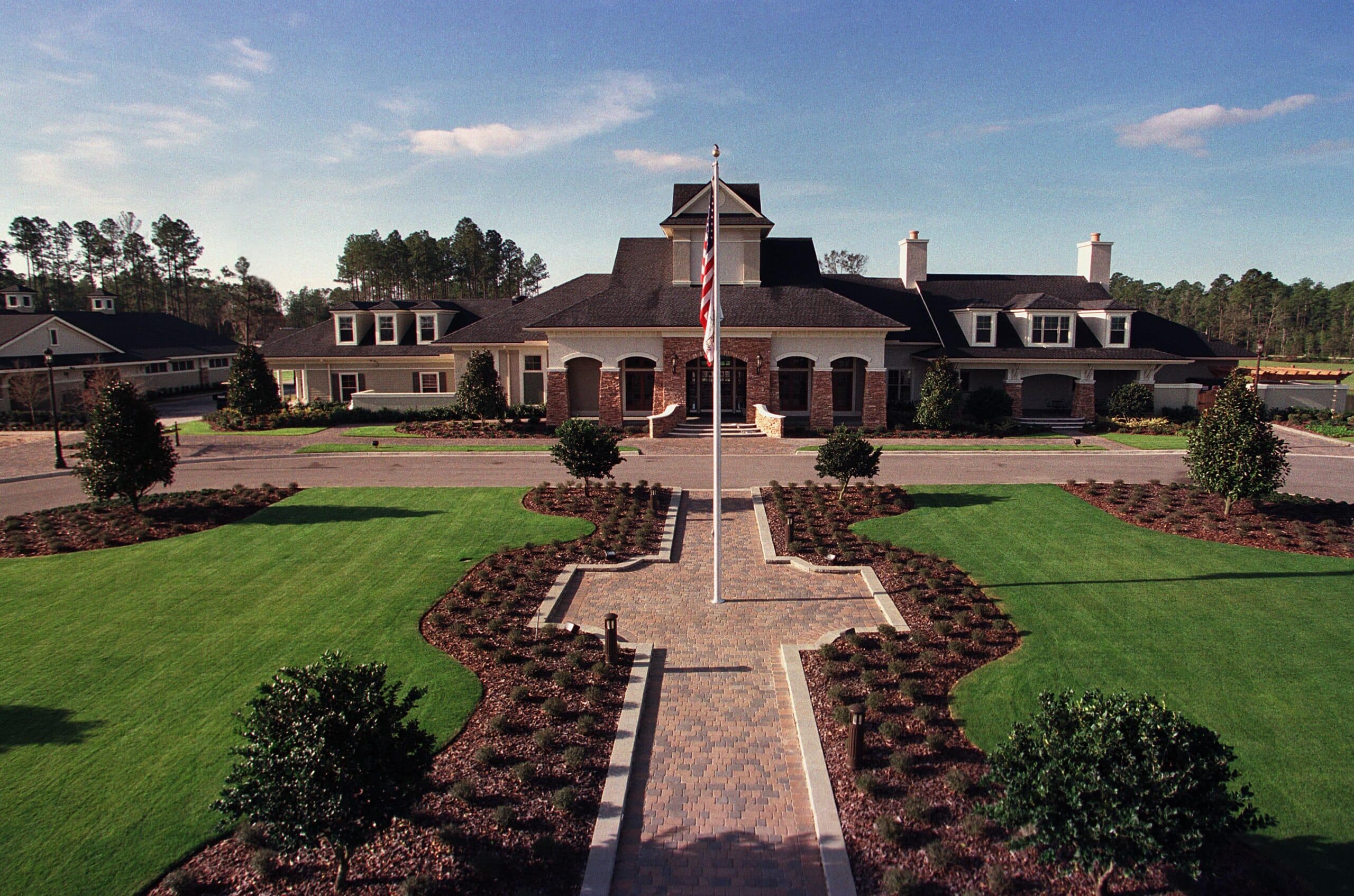
St. Johns Golf & Country Club
Owner's representation for the original design-build construction of the golf clubhouse, amenity center, and maintenance facility for this 820-acre master-planned golf community in St. Augustine, Florida.

Farrand House
Historic residence renovation balancing preservation with sustainability upgrades and contemporary institutional use.
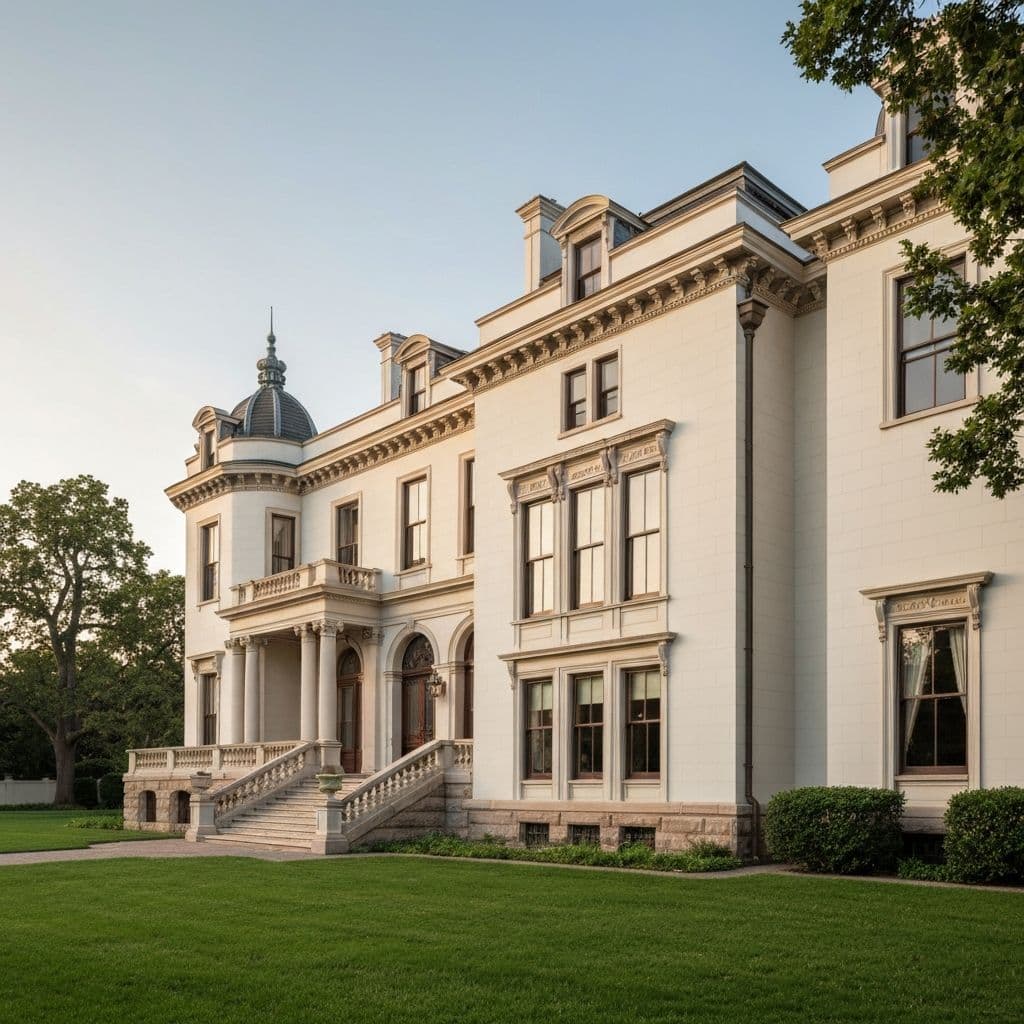
Harvard University - Director's Residence
Comprehensive renovation of the Director's Residence maintaining historic character.
Sector Insights
Guidance and perspectives relevant to project delivery in residential & community environments.
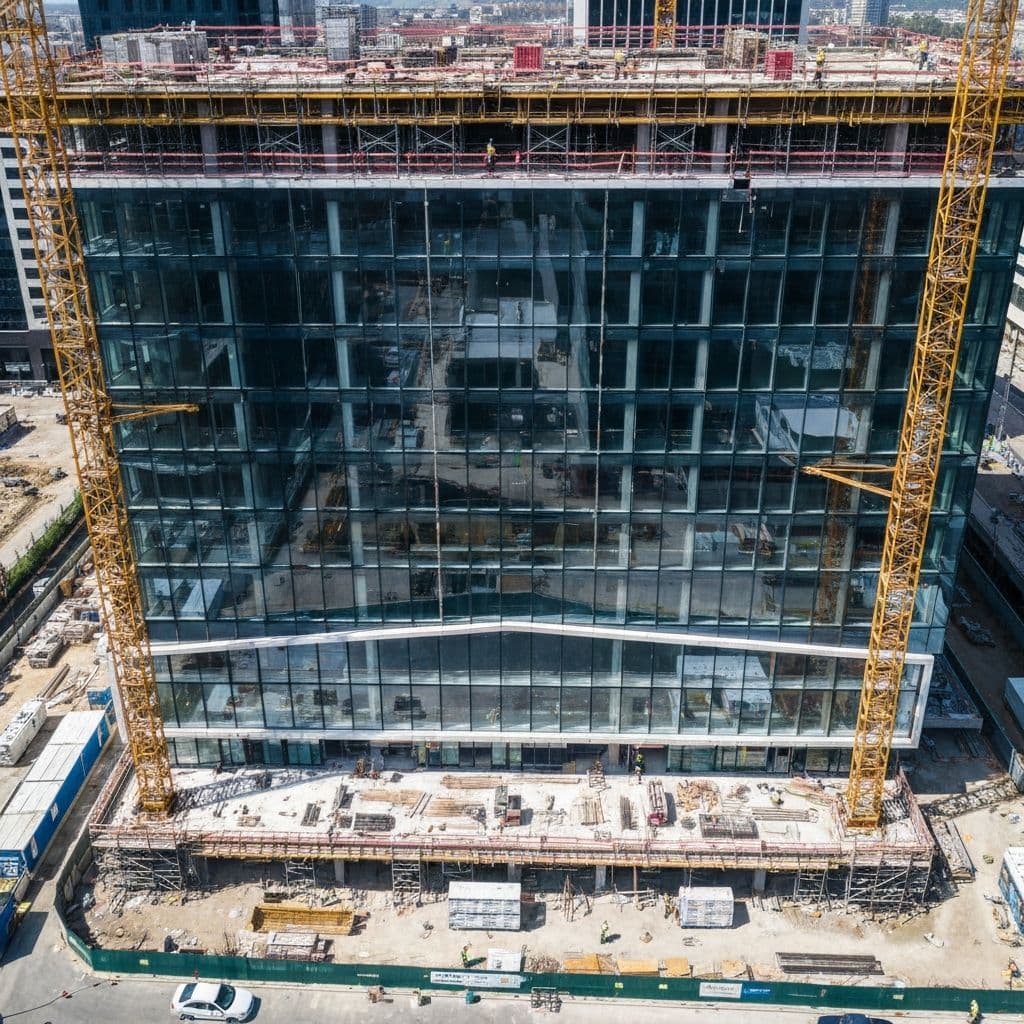
Phased Residential Community Development: Protecting Value Across Build-Out
Multi-year residential development succeeds or fails on phasing decisions — when amenities deliver, how infrastructure sequences, and whether later phases stay financeable when markets move.
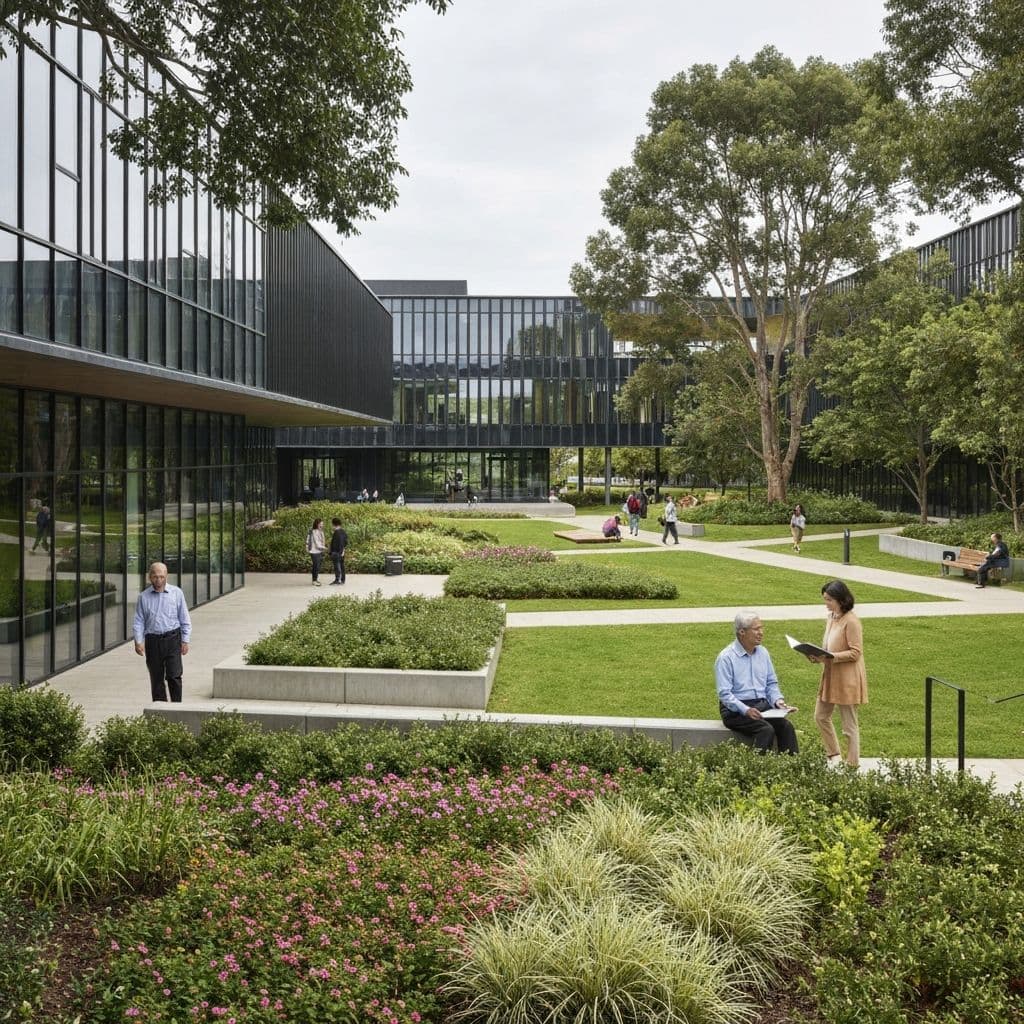
Student Housing Delivery: Why Opening-Day Deadlines Are Different on Campus
Move-in day cannot slip. Students have signed leases and classes start on schedule. Managing student housing delivery means treating the deadline as absolute — with early-warning milestones, owned float, and fallback plans built before they are needed.
Considering advisory support for a complex residential project?
Landmark Logix provides independent owner-side advisory for luxury residential, multi-family, and community developments where quality expectations, entitlement complexity, and specialty trade coordination demand experienced oversight.