Education & Research
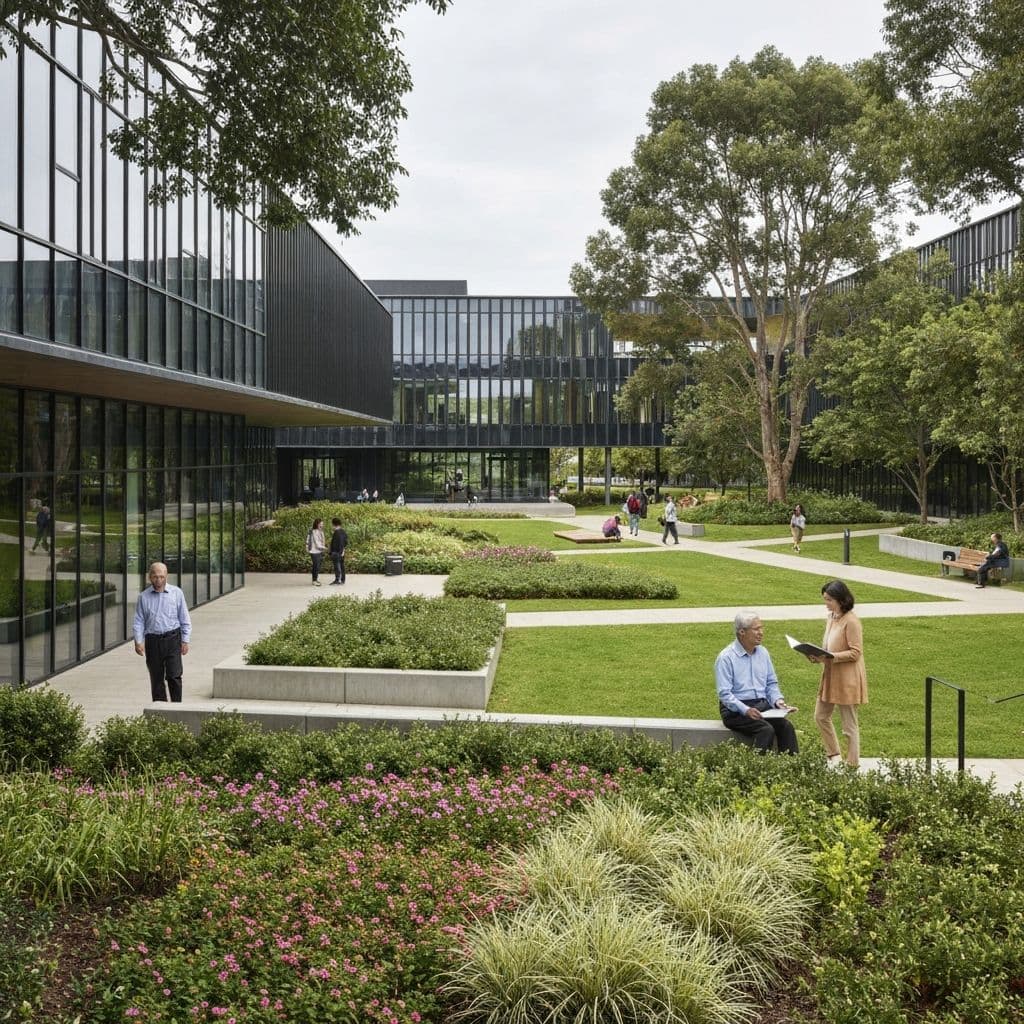
Educational institutions and research facilities require specialized planning that balances academic needs, cutting-edge technology, and sustainable operations. These projects carry the added complexity of active campus environments, academic-calendar constraints, and institutional governance structures that involve faculty, administrators, trustees, and often public stakeholders. From K-12 schools to advanced research laboratories, we deliver projects that inspire learning, enable discovery, and serve communities for decades.
Owner-Side Leadership
Why Education & Research Projects Require Specialized Project Leadership
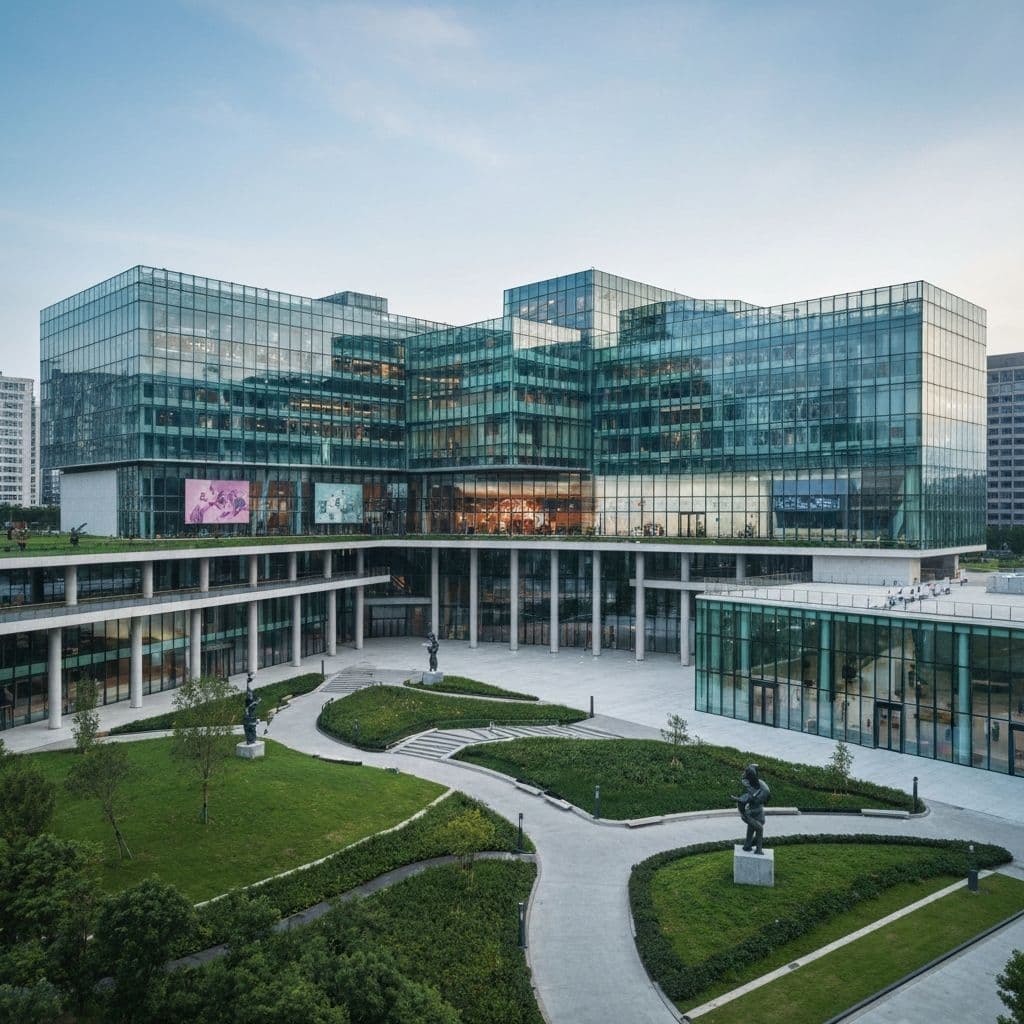
Educational construction is defined by a paradox: institutions that measure their missions in centuries must build facilities using processes that unfold over months. A university research building or a new K-12 school is not just a capital asset — it is an instrument of the institution's educational mission, and its design and construction must reflect pedagogical priorities, research requirements, and community values that extend far beyond the technical concerns of building systems and structural engineering.
The institutional governance of educational construction adds complexity that private-sector projects rarely encounter. University projects may require approval from academic departments, faculty senates, facilities committees, boards of trustees, and sometimes state higher-education authorities — each operating on its own decision-making timeline. K-12 projects face school-board approvals, voter-approved bond constraints, and state department-of-education facility standards. Navigating these governance layers while maintaining construction momentum requires an owner's representative with deep institutional fluency.
Research facilities present particularly acute technical challenges. Vibration-sensitive instrumentation, chemical fume-hood exhaust systems, biosafety-level containment, and the power and cooling demands of high-performance computing all impose infrastructure requirements that must be coordinated across architectural, structural, mechanical, electrical, and plumbing disciplines with far greater precision than conventional building construction. The owner's representative must ensure that these technical requirements are captured accurately in design, executed faithfully in construction, and commissioned rigorously before researchers occupy the space.
Key Challenges in Education & Research Construction
Educational and research facilities present a distinctive combination of technical complexity, institutional governance, and mission-critical performance requirements.
Academic Calendar Construction Constraints
Educational construction must respect the rhythm of the academic year. Demolition, heavy excavation, and utility shutdowns that would disrupt teaching or examinations must be scheduled during summer breaks or intersession periods. This creates compressed windows for critical work phases, requiring precise scheduling and contingency planning to ensure that academic operations resume on time regardless of construction progress.
Laboratory and Research Infrastructure Precision
Modern research facilities require infrastructure systems — vibration isolation, electromagnetic shielding, chemical exhaust, ultra-pure water, specialty gases, and redundant power — that demand engineering precision well beyond conventional construction standards. Specification errors or installation deficiencies in these systems can render laboratories unusable for their intended research programs, wasting both construction investment and the research grants that funded the work.
Institutional Governance and Decision-Making Complexity
Academic institutions make decisions through committee structures that reflect their collegial governance traditions. A building program that a corporate client would approve in a single executive meeting may require presentations to a faculty planning committee, a campus-development committee, and a board of trustees across multiple meeting cycles. The owner's representative must understand and respect these governance norms while maintaining the decision-making pace that construction schedules demand.
Deferred-Maintenance Backlog Integration
Many educational institutions carry significant deferred-maintenance backlogs in aging campus buildings. New construction and renovation projects present opportunities to address infrastructure deficiencies — outdated electrical systems, deteriorating building envelopes, inadequate accessibility — but integrating deferred-maintenance scope into capital projects requires careful budget management and scope definition to avoid overwhelming the primary project objectives.
Sustainability and Institutional Stewardship
Educational institutions increasingly commit to aggressive sustainability targets — carbon neutrality pledges, LEED certification mandates, and fossil-fuel-free building policies — that impose performance requirements on new construction and major renovations. These commitments reflect institutional values, but they also introduce design constraints, cost premiums, and commissioning requirements that must be managed as integral project objectives rather than discretionary add-ons.
Project Types We Manage
Higher Education Facilities
University buildings, lecture halls, and academic centers
K-12 Education Buildings
Elementary, middle, and high school facilities
Research & Laboratory Facilities
Advanced scientific research and laboratory spaces
Science & Technology Centers
Specialized facilities for STEM education and research
Training Facilities
Professional development and vocational training centers
Libraries & Archives
Academic libraries and institutional archives
Student Housing
Dormitories and residential facilities for students
Educational Support Facilities
Administrative, dining, and student service buildings
Innovation Centers & Incubators
Entrepreneurship hubs and startup acceleration spaces
STEM Education Spaces
Specialized facilities for science, technology, engineering, and math
Medical Education Facilities
Teaching hospitals and medical training centers
Research Campus Development
Master-planned research parks and innovation districts
Our Education & Research Expertise
Specialized Knowledge
Deep understanding of educational facility requirements including laboratory ventilation standards, classroom acoustics, research-grade utility infrastructure, and the flexible space designs that accommodate evolving pedagogical approaches
Proven Track Record
Successful delivery of complex education and research projects including STEM research buildings, student housing complexes, library renovations, and K-12 school construction programs under public bond-funding requirements
Regulatory Navigation
Expert guidance through the regulatory landscape unique to educational construction — from state school-building authorities and fire-marshal approvals to NIH and NSF grant-compliance requirements for federally funded research facilities
End-to-End Support
Comprehensive owner-side services from campus master planning and capital-program prioritization through construction administration, equipment commissioning, and academic-year-aligned occupancy transitions
Services for Education & Research Projects
Explore the services Landmark Logix provides to support projects in education & research environments.
Strategic Planning & Advisory
Owner's representation, feasibility assessment, governance frameworks, and stakeholder alignment — establishing the strategic foundation for complex projects.
Design & Regulatory Management
Independent design oversight, regulatory coordination, and compliance management that protects owner interests across permitting, preservation, and design phases.
Technology Integration & Project Transition
Systems commissioning, technology verification, and operational transition — ensuring the building works before the owner accepts it.
Education & Research Challenges We Solve
Relevant Project Experience
Selected projects that reflect Landmark Logix experience in education & research environments.
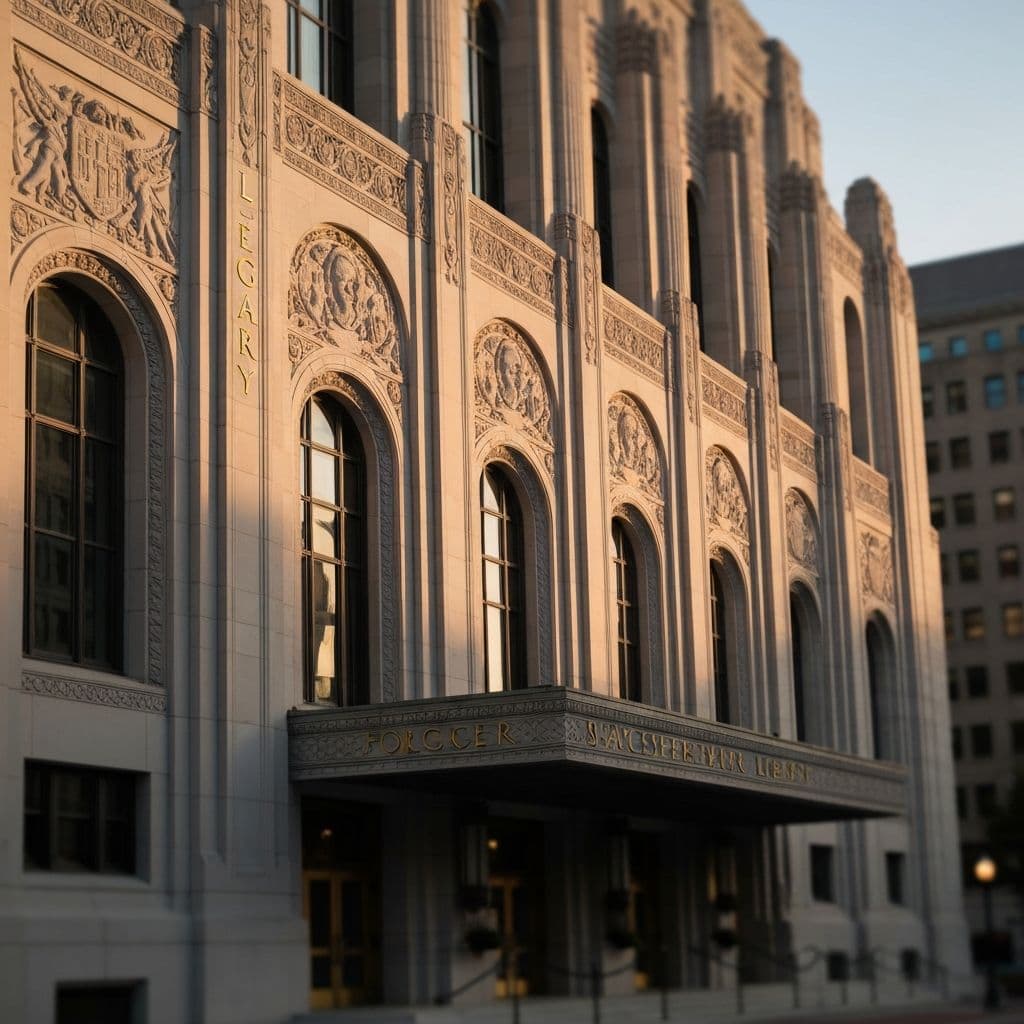
Folger Shakespeare Library
Comprehensive renovation and expansion of this renowned Shakespeare research library.

Harvard Library
Preservation of world-class research library supporting Byzantine and Pre-Columbian studies.
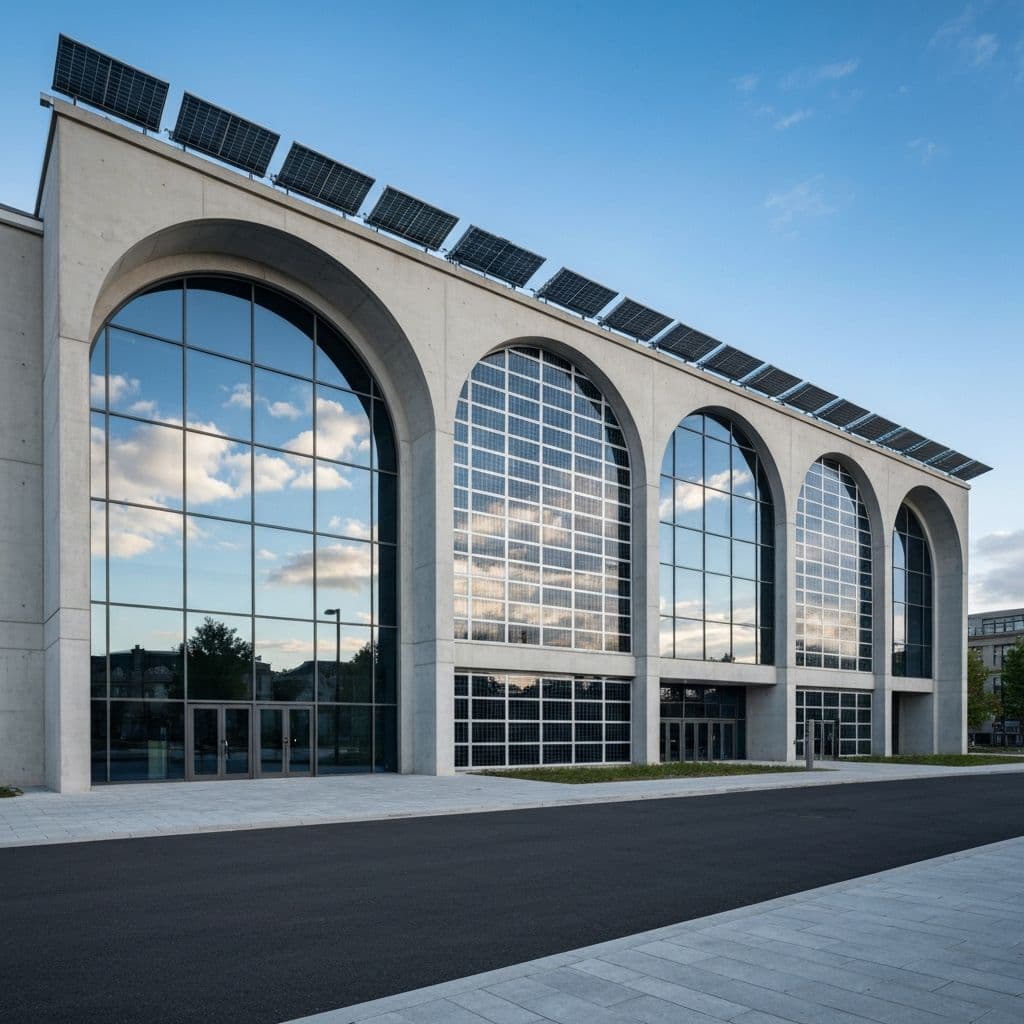
Museum of the Bible
Owner's representation for this world-class museum dedicated to the history and impact of the Bible.
Sector Insights
Guidance and perspectives relevant to project delivery in education & research environments.
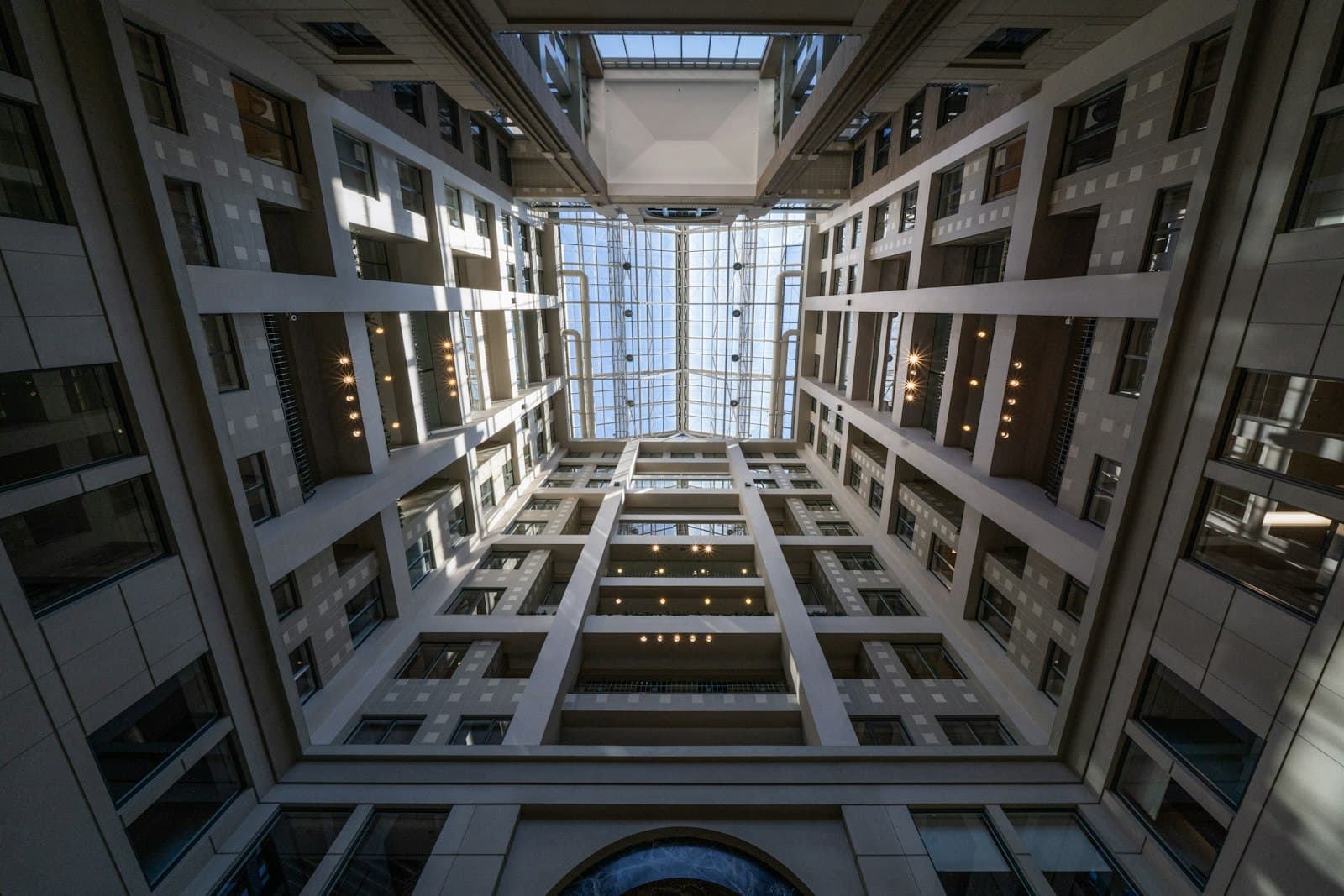
The First Year of Ownership: Why Operations Decide Whether a Capital Project Pays Off
A building's first year of operation sets its cost trajectory, its performance baseline, and its warranty outcomes for decades. Owners who treat handover as the finish line surrender value the project was designed to deliver.

Delivering Clinical Environments Without Interrupting Care
Healthcare construction happens around patients who cannot be relocated. Protecting care delivery while the building changes requires owner-side planning that most delivery teams are not structured to provide.
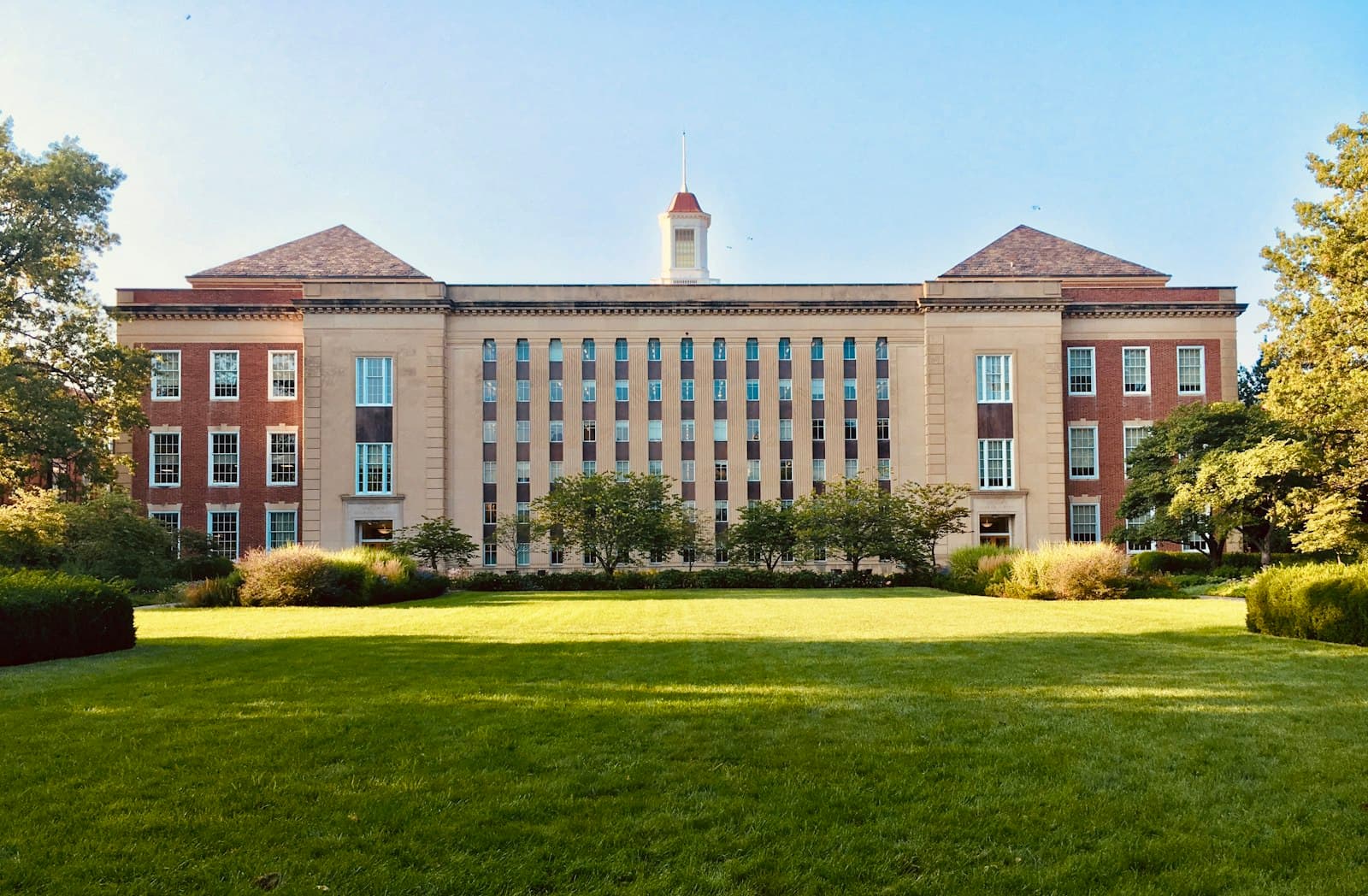
Renovating Historic Campus Buildings for Modern Academic Use
Historic campus buildings must house modern labs, meet accessibility standards, and carry new systems without losing the character that defines the institution. That balance is won in preservation review, envelope strategy, systems routing, and operational planning.
Related Sectors
Planning a complex academic or research facility project?
Landmark Logix provides independent advisory for education and research institutions navigating capital projects with specialized technical requirements, occupied campus constraints, and institutional governance.