Industrial & Specialized
Industrial and specialized facilities require deep technical knowledge, process understanding, and precision execution. From manufacturing plants to data centers and renewable energy installations, we deliver complex projects that meet exacting operational requirements.
Owner-Side Leadership
Why Industrial and Specialized Facilities Require Independent Project Advisory
Industrial construction is fundamentally driven by process requirements, not architectural aesthetics — the building exists to serve the production line, the supply chain, or the mission-critical operation it houses. Every design decision is constrained by equipment clearances, environmental controls, structural loading capacities, vibration tolerances, and process flow optimization. A warehouse floor slab that deflects beyond acceptable tolerances under racking loads, a cleanroom envelope that cannot maintain required pressure differentials, or a data center cooling system that lacks sufficient redundancy will render a facility non-functional regardless of how well it is constructed by conventional standards. Owners who do not manage these technical interfaces independently — through advisors who understand both the construction process and the operational requirements — risk delivering facilities that appear complete on paper but cannot support the operations they were built to house.
The convergence of construction and operations represents one of the most challenging coordination problems in capital project delivery. Industrial projects require sustained collaboration between construction teams and operations or manufacturing teams that operate with fundamentally different priorities, timelines, and technical vocabularies. Process engineers specify equipment based on production throughput and quality requirements; construction contractors evaluate the same equipment based on rigging weight, installation sequence, and structural support needs. Equipment vendors deliver on manufacturing schedules that rarely align with construction milestones. Without an independent owner's representative who can translate between these disciplines, bridge scheduling conflicts, and enforce integration milestones, critical coordination gaps emerge — gaps that typically surface during commissioning when they are most expensive and time-consuming to resolve.
Commissioning and validation complexity sets industrial construction apart from virtually every other building type. Industrial facilities often require operational validation, process qualification, regulatory certification, and performance testing before they can begin production or accept their first product. In pharmaceutical manufacturing, FDA validation protocols can take six to twelve months and must be planned from the earliest design phases. In food processing, USDA and state health department certifications require specific material selections, drainage designs, and air-handling configurations that cannot be retrofitted. In data center construction, Uptime Institute tier certification demands documented redundancy in power, cooling, and connectivity systems. These validation requirements are not post-construction afterthoughts — they must be embedded in the project's design criteria, procurement specifications, and construction quality management from day one, requiring owner-side advisors who understand the regulatory endpoint as thoroughly as the construction process.
Key Challenges in Industrial & Specialized Construction
Industrial and specialized facility projects present technical, regulatory, and operational coordination challenges that require deep domain expertise and independent owner-side leadership.
Process Equipment Integration and Construction Sequencing
Industrial facilities are defined by the process equipment they house, and that equipment drives construction sequencing in ways that conventional scheduling approaches cannot accommodate. Long-lead equipment — turbines, reactor vessels, production lines, and specialized HVAC systems — must be ordered months or years before installation, yet their delivery and rigging requirements dictate structural steel designs, building-envelope openings, and foundation specifications. Owners must coordinate between equipment vendors, structural engineers, and general contractors to ensure that construction sequences accommodate equipment installation windows, rigging paths remain unobstructed, and temporary structural supports are engineered for equipment that arrives before the permanent structure is complete.
Environmental Permitting and Regulatory Compliance
Industrial facilities face a layered regulatory environment that extends far beyond standard building codes. Air-quality permits under the Clean Air Act, stormwater management plans under the Clean Water Act, hazardous-materials storage requirements under RCRA, and state-specific environmental regulations each impose design constraints, operational limitations, and documentation requirements. Permitting timelines for industrial facilities frequently extend twelve to eighteen months and require environmental impact assessments, public comment periods, and agency reviews that must be initiated well before design is finalized. Owners who underestimate permitting complexity or treat environmental compliance as a parallel workstream rather than a critical-path constraint routinely face project delays measured in quarters, not weeks.
Maintaining Production During Facility Expansion or Renovation
Unlike new construction, industrial expansion and renovation projects must contend with active production operations that cannot be interrupted. Owners face the challenge of executing construction activities — structural modifications, utility shutdowns, equipment relocations, and systems testing — while maintaining production schedules, product quality, and worker safety in the adjacent operating facility. This requires surgical construction phasing, detailed shutdown planning coordinated with production schedules, temporary utility provisions, and contamination-control protocols that prevent construction dust, vibration, and noise from affecting sensitive manufacturing processes. The cost of unplanned production downtime typically dwarfs construction cost overruns, making operational continuity the paramount project constraint.
Commissioning, Validation, and Operational Qualification
Industrial commissioning extends well beyond the standard mechanical-electrical-plumbing functional testing performed on commercial buildings. Process facilities require installation qualification confirming that equipment is installed per manufacturer specifications, operational qualification demonstrating that systems perform within specified parameters, and performance qualification proving that the integrated facility can produce consistent results under production conditions. In regulated industries such as pharmaceuticals, food processing, and semiconductor manufacturing, these qualification protocols are prescribed by regulatory agencies and must be documented to audit-ready standards. Commissioning failures at this stage can delay facility opening by months and require costly remediation of construction work that passed conventional quality inspections but fails process-specific performance criteria.
Energy Infrastructure and Utility Capacity Planning
Industrial facilities impose electrical, water, gas, and telecommunications demands that frequently exceed the capacity of existing utility infrastructure. A data center may require 20 to 50 megawatts of redundant electrical service; a manufacturing plant may need process water flows and wastewater treatment capacities that rival municipal systems. Securing utility capacity requires early engagement with utility providers, negotiation of service agreements and cost-sharing arrangements for infrastructure upgrades, and coordination of utility construction schedules with facility construction timelines. Owners who defer utility planning until design development frequently discover that utility lead times — not construction schedules — define their project completion dates, with utility infrastructure upgrades adding twelve to twenty-four months to overall project delivery.
Project Types We Manage
Manufacturing & Industrial Facilities
Production plants and industrial manufacturing facilities
Warehousing & Distribution Centers
Logistics facilities and distribution operations
Energy & Utilities Infrastructure
Power generation, transmission, and utility facilities
Sustainable & Green Energy Facilities
Solar, wind, and renewable energy installations
Agricultural Technology Centers
Agtech facilities and controlled environment agriculture
Food Processing & Production
Food manufacturing and processing facilities
Places of Worship
Religious buildings and faith-based community facilities
High-Security & Mission-Critical Facilities
Secure facilities requiring enhanced security measures
Environmental & Waste Management
Recycling facilities and environmental infrastructure
Data Centers & Technology Infrastructure
Mission-critical technology and data facilities
Heavy Industrial & Process Facilities
Complex industrial processes and heavy manufacturing
Research & Development Facilities
Specialized R&D and testing facilities
Our Industrial & Specialized Expertise
Specialized Knowledge
Deep understanding of industrial requirements
Proven Track Record
Successful delivery of complex industrial projects
Regulatory Navigation
Expert guidance through industrial-specific regulations
End-to-End Support
Comprehensive services from planning to operations
Services for Industrial & Specialized Projects
Explore the services Landmark Logix provides to support projects in industrial & specialized environments.
Construction Management & Quality Control
Independent field oversight, quality assurance, and contractor accountability — ensuring what gets built matches what was designed and contracted.
Procurement & Financial Management
Strategic procurement, financial oversight, and budget controls that protect owner capital and hold vendors accountable throughout delivery.
Technology Integration & Project Transition
Systems commissioning, technology verification, and operational transition — ensuring the building works before the owner accepts it.
Industrial & Specialized Challenges We Solve
Relevant Project Experience
Selected projects that reflect Landmark Logix experience in industrial & specialized environments.
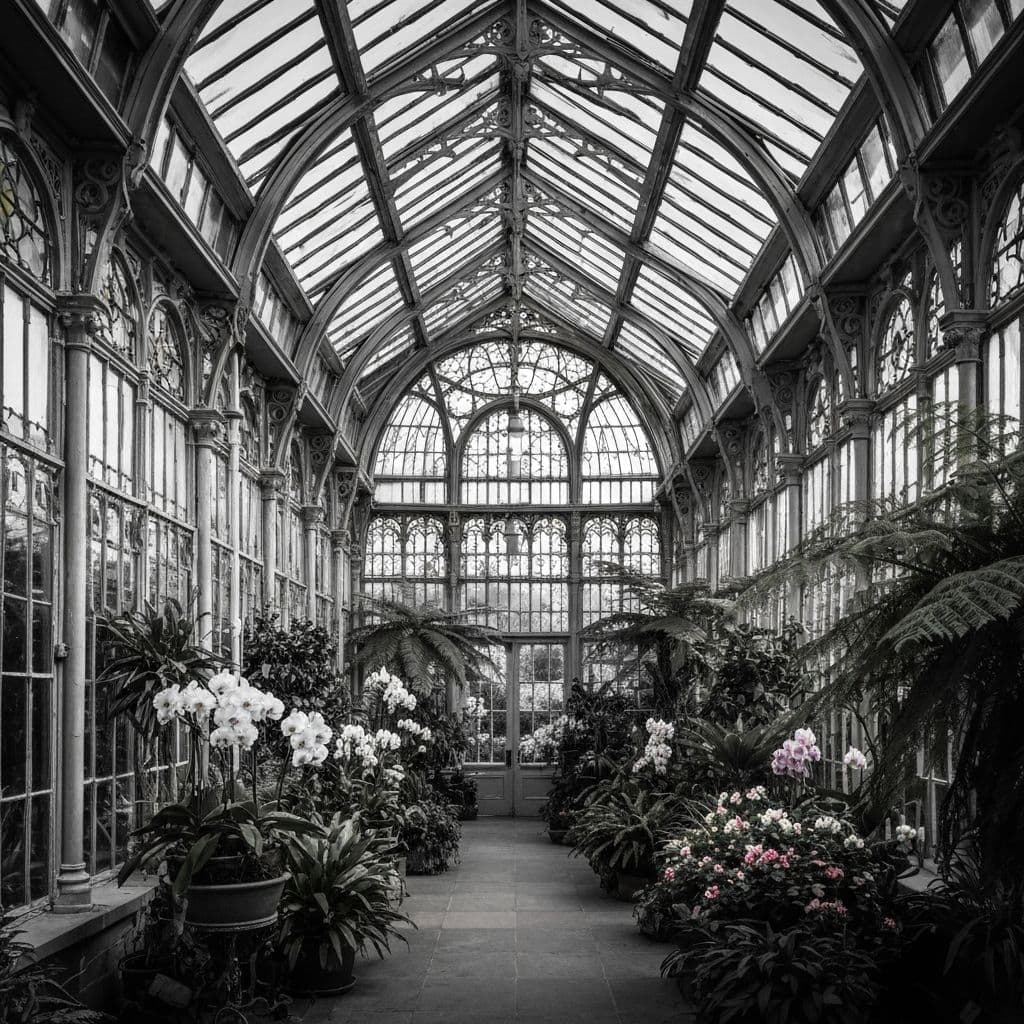
Harvard Greenhouse
Restoration of historic greenhouse facility supporting botanical research and collections.
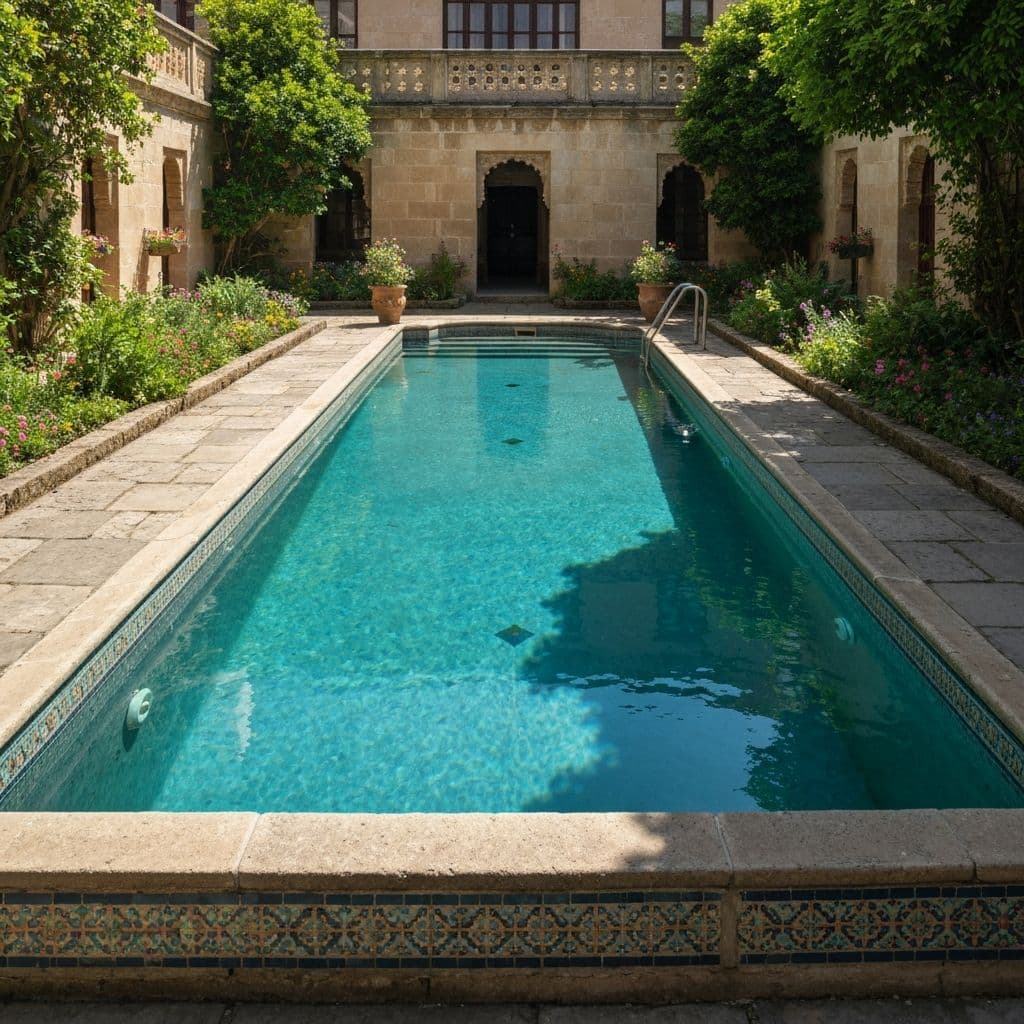
Harvard Swimming Pool
Restoration and enhancement of historic swimming pool facility.
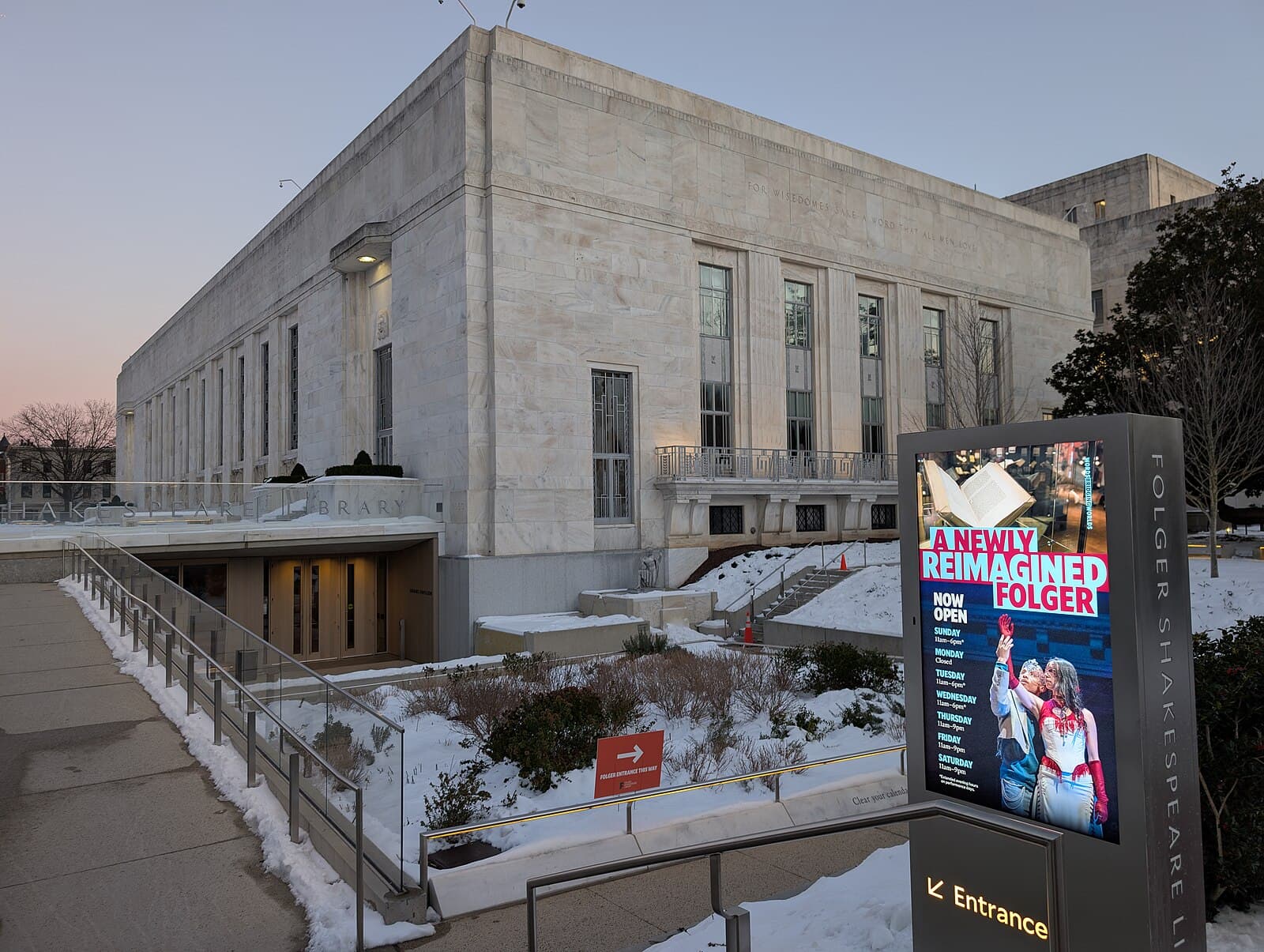
Amherst College Collection Storage
Climate-controlled vault systems protecting priceless rare books and manuscripts.
Sector Insights
Guidance and perspectives relevant to project delivery in industrial & specialized environments.
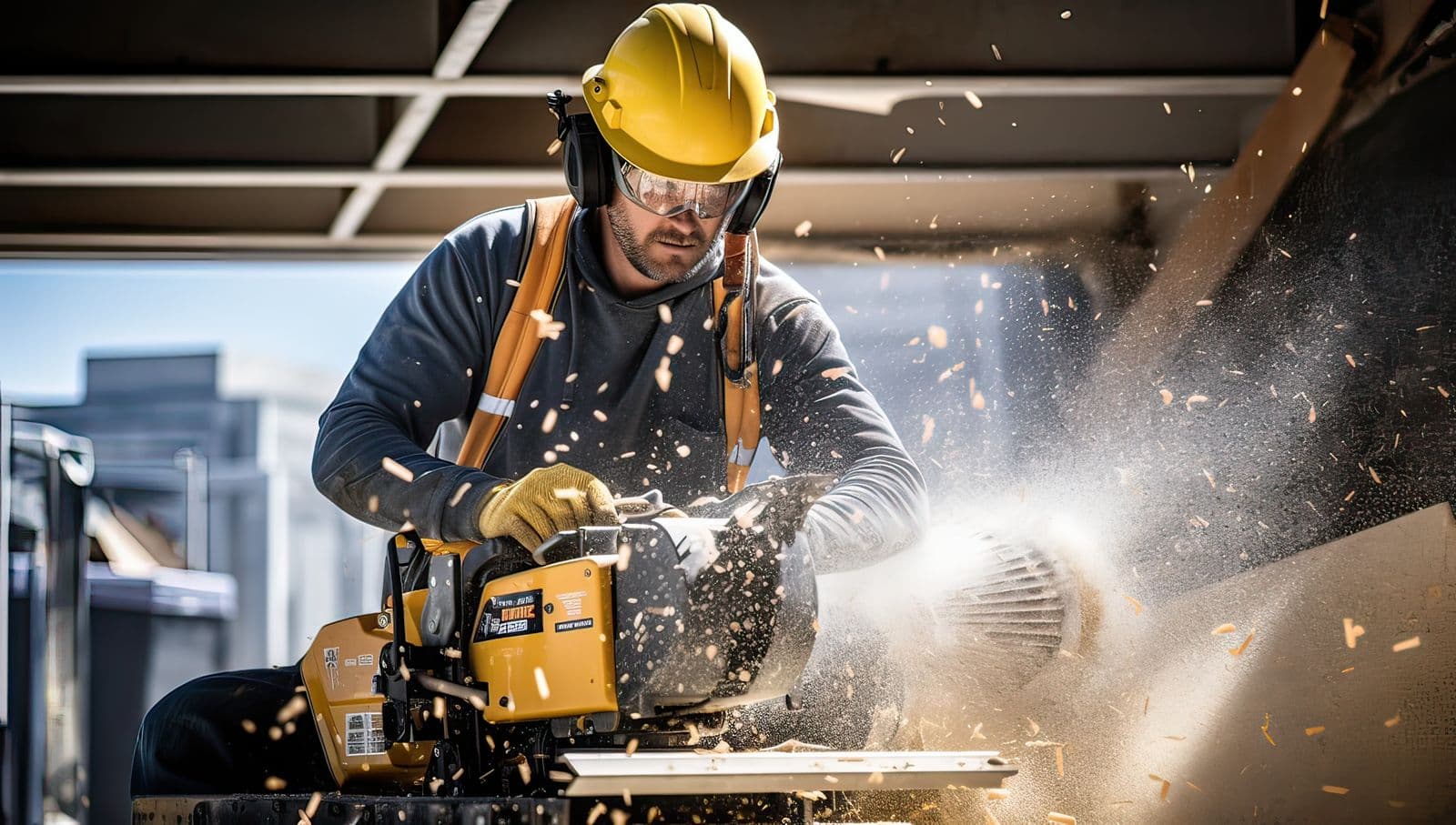
Owner Oversight for Industrial and Specialized Facilities
Central plants, laboratories, production facilities, and logistics centers concentrate their risk in performance specifications and vendor-proprietary systems. Owner-side oversight in these projects looks different — and matters more.

The Owner's Guide to Closeout: Documentation, Warranties, and the Handoff to Operations
Closeout is the phase where owners are weakest and contractors are most eager to leave. What the owner collects, verifies, and withholds in those final months determines whether the operations team inherits a building or a mystery.
Need independent oversight for a complex industrial facility project?
Landmark Logix provides owner-side advisory for industrial and specialized facilities where process requirements, commissioning complexity, and operational performance define project success.