Cultural & Arts
Museums, libraries, research institutions, and performing arts centers undertake capital projects that carry institutional, civic, and cultural significance far beyond their construction budgets. These programs involve irreplaceable collections, historic preservation mandates, institutional governance structures, and public accountability requirements that demand independent, owner-side advisory — not just construction oversight. We serve as the owner's trusted advisor through every phase of the capital program, navigating stakeholder complexity, aligning donor and public funding timelines, and ensuring that construction decisions reinforce the institution's long-term mission.
Owner-Side Leadership
Why Cultural & Arts Projects Require Specialized Project Leadership
Cultural and arts construction projects occupy a unique position in the built environment. Unlike commercial buildings optimized for return on investment, museums, theaters, and cultural centers are community anchors built to preserve heritage, enable artistic expression, and serve the public for generations. The stakes are inherently different: a failed climate control system in a museum does not merely cause discomfort — it can destroy irreplaceable artifacts. A poorly managed performing arts renovation does not just delay a lease-up — it silences an entire season of programming.
These projects also carry distinctive governance complexity. Funding often flows from a combination of public appropriations, private philanthropy, and capital campaigns, each with its own reporting requirements, naming obligations, and approval processes. Boards of trustees, municipal agencies, preservation commissions, and donor committees all hold legitimate decision-making authority. Without disciplined owner-side project leadership, this stakeholder landscape can produce scope creep, schedule drift, and budget overruns that erode public trust and donor confidence.
Effective owner's representation in the cultural sector requires more than construction management competence. It demands fluency in conservation standards, historic preservation regulations, and the operational realities of institutions that must continue serving the public throughout multi-year capital programs. The owner's representative must bridge the language of architecture, engineering, and contracting with the mission-driven vocabulary of curators, educators, and community leaders — ensuring that every construction decision reinforces the institution's long-term vision.
Key Challenges in Cultural & Arts Construction
Cultural institutions face a distinctive set of construction challenges that demand specialized knowledge, rigorous planning, and an owner-focused perspective.
Conservation Environment Continuity
Museum and archive facilities must maintain precise temperature, humidity, and air-quality conditions not just after completion, but throughout construction. Even temporary excursions outside acceptable ranges can cause irreversible damage to organic materials, works on paper, and photographic collections. Owners need project leadership that understands environmental commissioning as a non-negotiable constraint rather than a discretionary upgrade.
Historic Preservation Regulatory Complexity
Projects involving historically significant structures must navigate overlapping federal, state, and local review processes — including Section 106 consultations, State Historic Preservation Office reviews, and local landmark commission approvals. Each layer introduces its own timeline, documentation requirements, and potential for design revisions. Coordinating these processes in parallel with construction scheduling requires deep regulatory experience.
Capital Campaign and Funding Alignment
Cultural construction projects frequently depend on philanthropic capital campaigns that unfold on their own timeline, independent of construction milestones. The owner must manage the tension between donor pledge schedules, grant disbursement requirements, and contractor payment obligations. Misalignment between funding availability and construction cash flow is one of the most common causes of cultural project delays.
Operational Continuity During Construction
Unlike commercial tenants who can relocate temporarily, cultural institutions often lack alternative venues for their programming. Maintaining public access, educational programming, and revenue-generating events during a multi-phase renovation requires meticulous logistics planning, clear public communication, and construction sequencing that respects the institution's mission and community commitments.
Specialized Trades and Long-Lead Procurement
Cultural projects regularly require specialty contractors and materials — acoustic paneling, conservation-grade glazing, archival storage systems, theatrical rigging — that involve extended lead times and a limited pool of qualified vendors. Early procurement planning and supply-chain risk management are essential to avoid schedule disruptions that cascade through the entire project.
Project Types We Manage
Art Museums
Fine art museums and galleries with specialized collection requirements
History Museums
Heritage institutions preserving and interpreting historical narratives
Science Centers & Natural History Museums
Interactive science and natural history exploration spaces
Cultural & Heritage Centers
Facilities celebrating diverse cultures and traditions
Special Collections & Archives
Climate-controlled storage for rare books and documents
Children's Museums
Interactive learning spaces designed for young visitors
University & Institutional Museums
Academic museums and institutional collections
Traveling Exhibition Spaces
Flexible galleries for rotating and traveling exhibits
Performing Arts Centers
Concert halls, theaters, and multi-purpose performance venues
Music Venues & Concert Halls
Acoustically optimized spaces for musical performances
Historic Preservation Projects
Restoration of architecturally and culturally significant structures
Art Installation Spaces
Contemporary galleries for large-scale and immersive art
Our Cultural & Arts Expertise
Specialized Knowledge
Deep understanding of museum-grade HVAC, conservation-standard lighting, and exhibition design requirements that protect collections while enhancing the visitor experience
Proven Track Record
Successful delivery of complex cultural projects including historic renovations, new-build museums, and performing arts centers with demanding acoustic and structural requirements
Regulatory Navigation
Expert guidance through historic preservation commissions, Section 106 reviews, SHPO coordination, and local landmark regulations that govern culturally significant properties
End-to-End Support
Comprehensive owner-side services from feasibility studies and capital campaign alignment through construction administration, collection reinstallation, and operational readiness
Services for Cultural & Arts Projects
Explore the services Landmark Logix provides to support projects in cultural & arts environments.
Strategic Planning & Advisory
Owner's representation, feasibility assessment, governance frameworks, and stakeholder alignment — establishing the strategic foundation for complex projects.
Design & Regulatory Management
Independent design oversight, regulatory coordination, and compliance management that protects owner interests across permitting, preservation, and design phases.
Construction Management & Quality Control
Independent field oversight, quality assurance, and contractor accountability — ensuring what gets built matches what was designed and contracted.
Cultural & Arts Challenges We Solve
Relevant Project Experience
Selected projects that reflect Landmark Logix experience in cultural & arts environments.
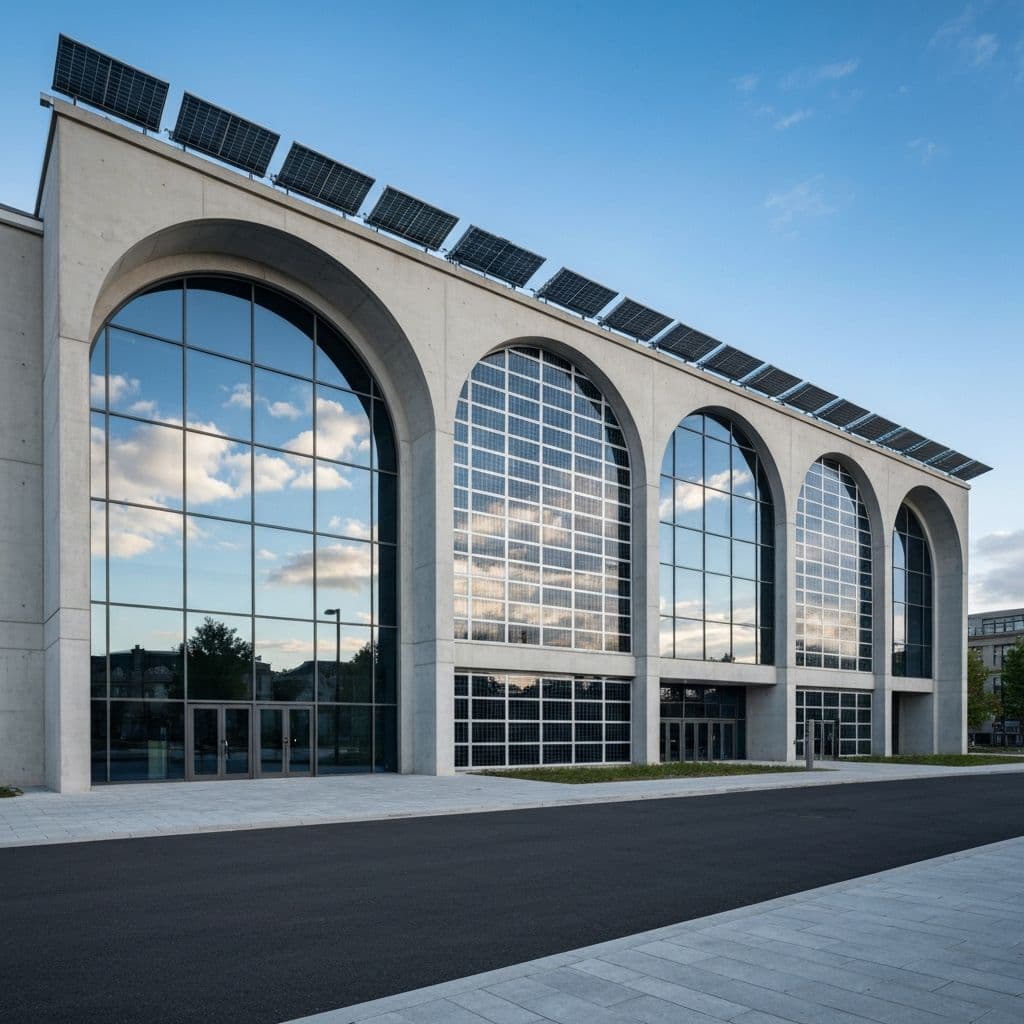
Museum of the Bible
Owner's representation for this world-class museum dedicated to the history and impact of the Bible.
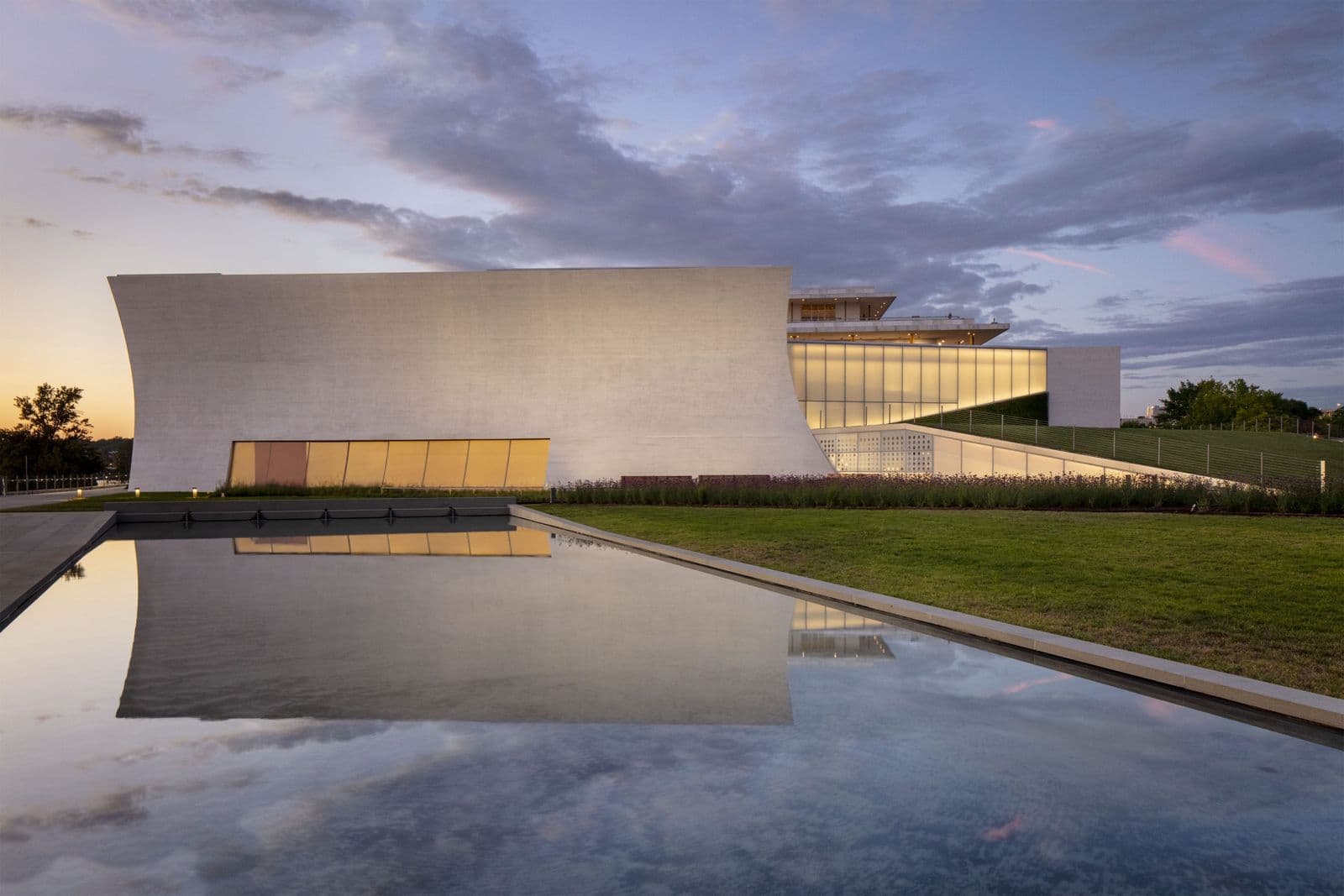
The REACH Expansion at the Kennedy Center
Owner's representation for the first major expansion of the Kennedy Center since 1971 — a 72,000 SF below-grade campus of rehearsal, education, and performance spaces crowned by Washington, D.C.'s largest green roof.
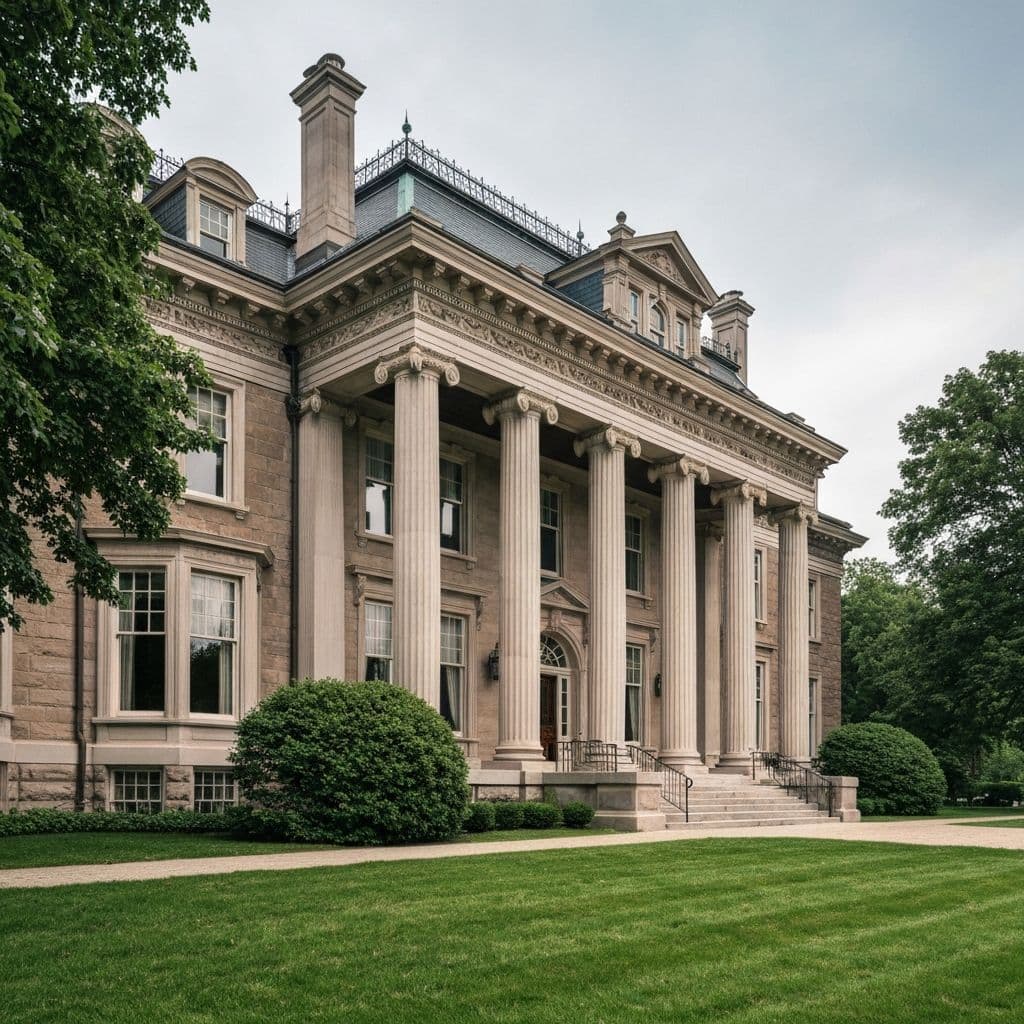
Harvard - Main House Restoration
Comprehensive $24.5M restoration of the Main House, a National Historic Landmark administered by Harvard University.
Sector Insights
Guidance and perspectives relevant to project delivery in cultural & arts environments.
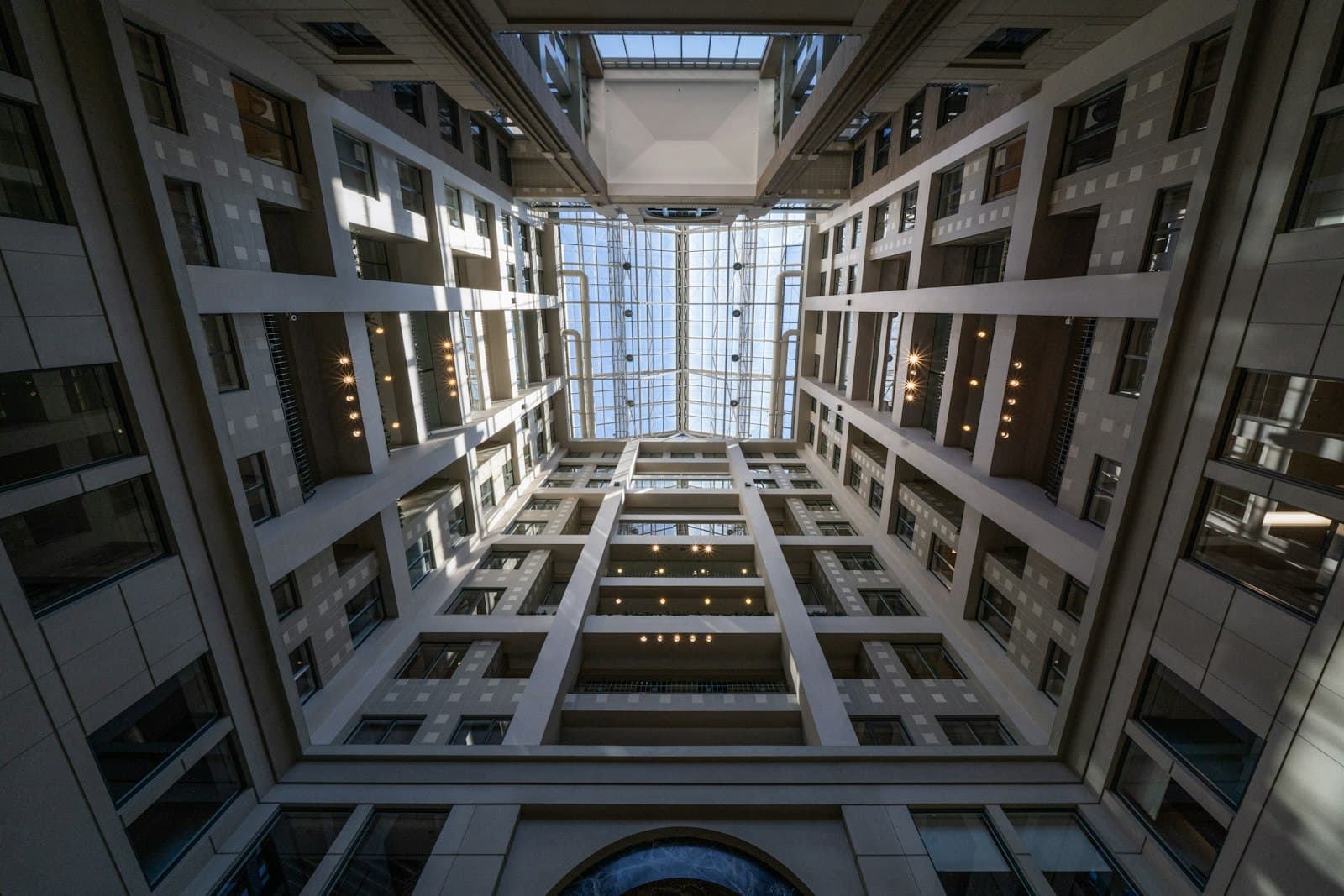
The First Year of Ownership: Why Operations Decide Whether a Capital Project Pays Off
A building's first year of operation sets its cost trajectory, its performance baseline, and its warranty outcomes for decades. Owners who treat handover as the finish line surrender value the project was designed to deliver.
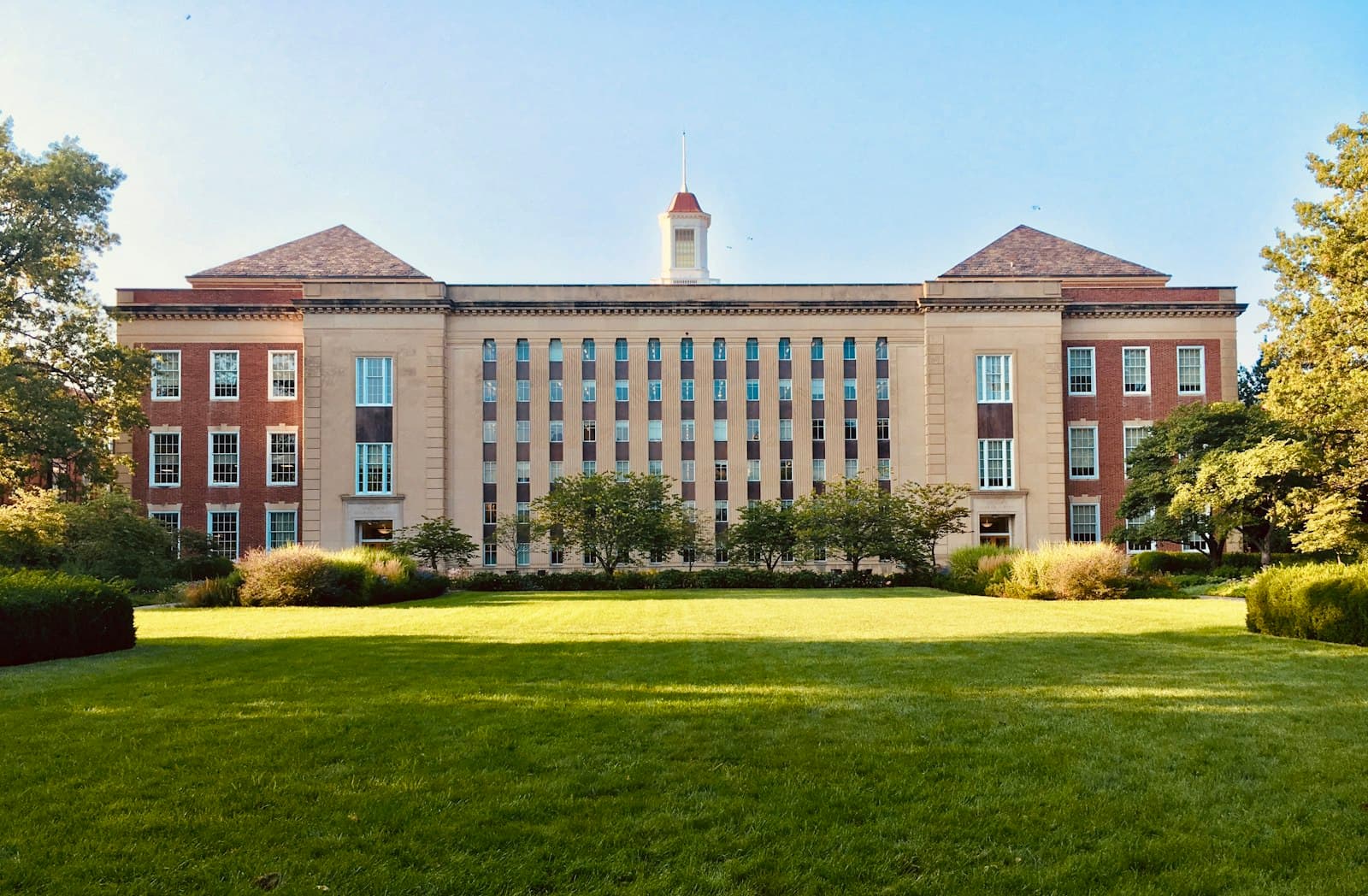
Renovating Historic Campus Buildings for Modern Academic Use
Historic campus buildings must house modern labs, meet accessibility standards, and carry new systems without losing the character that defines the institution. That balance is won in preservation review, envelope strategy, systems routing, and operational planning.
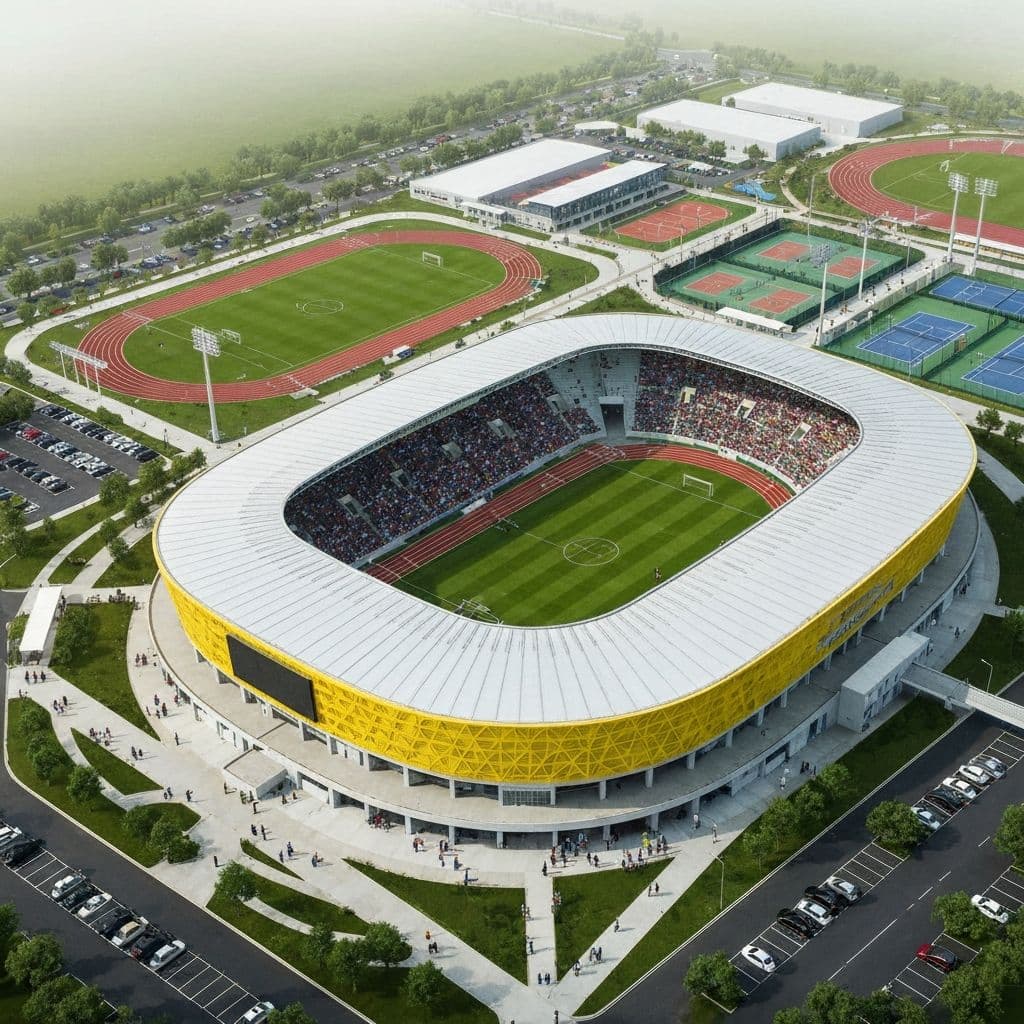
Capital Planning Lessons Shared by Museums, Performing Arts Venues, and Stadiums
Museums, performing arts centers, and sports venues share more delivery challenges than most owners realize. The capital planning discipline that protects a museum renovation applies directly to arena modernization.
Considering owner-side advisory for a cultural institution project?
Landmark Logix provides independent advisory for museums, performing arts centers, and cultural facilities — from capital planning through construction delivery and operational transition.