
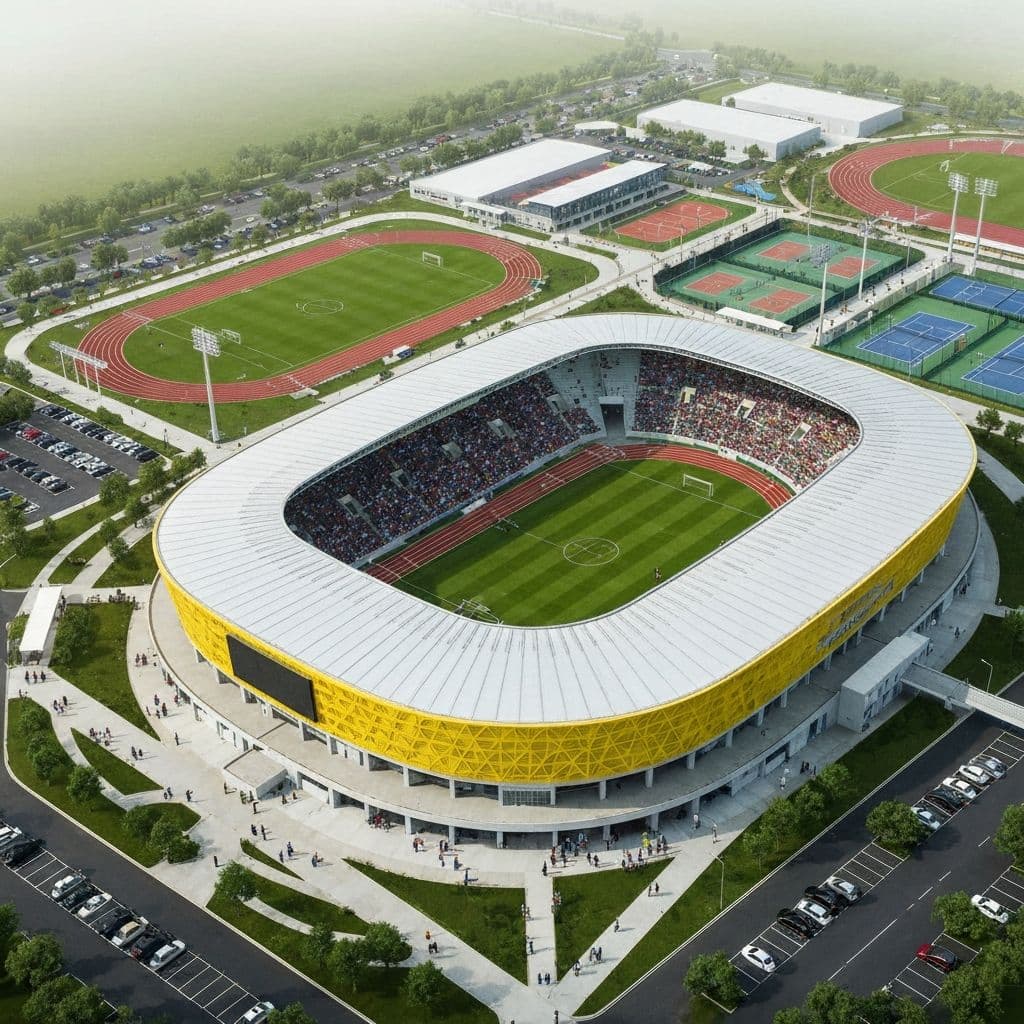
Sports & Athletics
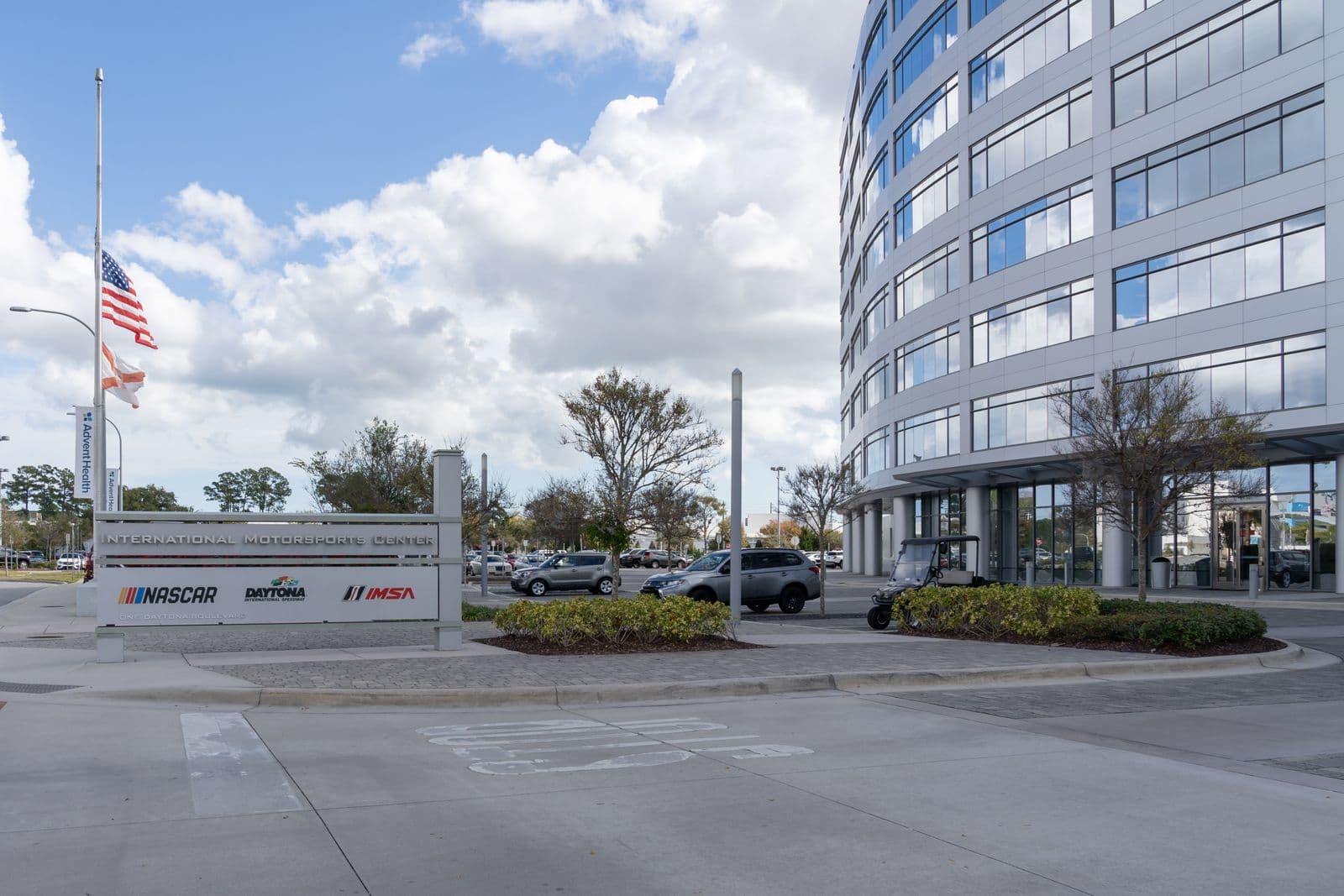
The same capital project delivery challenges that define our work in cultural and institutional settings — public visibility, operational continuity, stakeholder complexity, and immovable opening milestones — apply directly to sports and athletics venues. Our experience with high-profile, publicly scrutinized projects such as corporate headquarters and mixed-use destinations in motorsports-adjacent environments has given us fluency in the schedule discipline, multi-party coordination, and public accountability frameworks that sports facility owners require. We provide owner-side capital project advisory that bridges the gap between venue operators, municipal stakeholders, design teams, and construction delivery — ensuring every decision serves the owner's long-term operational and financial interests.
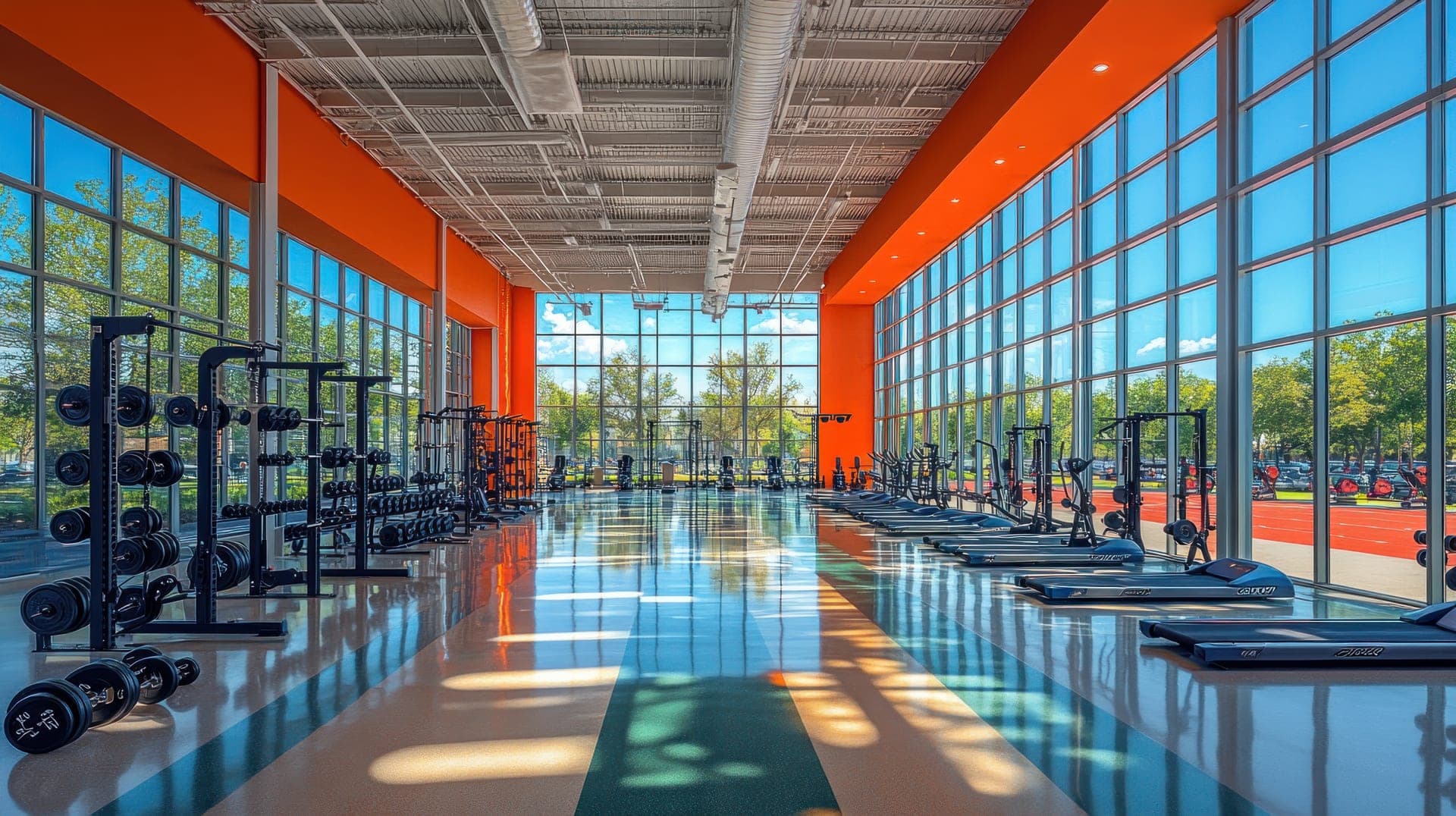
Owner-Side Leadership
Why Sports & Athletics Projects Require Specialized Project Leadership
Sports venue construction is among the most complex and high-stakes categories in the built environment. These projects operate under immovable deadlines — a season opener, a championship bid, or a contractual obligation to a league — that leave no room for schedule recovery. The financial consequences of missing an opening date are measured not in carrying costs alone, but in lost ticket revenue, broadcast penalties, and reputational damage that can take years to repair.
The stakeholder landscape in sports construction is unusually dense and politically charged. Professional team owners, university athletic departments, municipal bond authorities, league offices, broadcast partners, and corporate sponsors each bring legitimate but often conflicting requirements to the table. Without experienced owner-side leadership that can translate between these constituencies and enforce disciplined decision-making, projects are vulnerable to scope expansion, design churn, and cost escalation.
Effective owner's representation in this sector also requires deep technical literacy — from field-of-play specifications and sightline geometry to broadcast camera positions, premium hospitality infrastructure, and the mechanical systems that support retractable roofs or convertible ice-to-court surfaces. The owner's representative must ensure that every design and construction decision serves both the immediate project goals and the venue's long-term operational and revenue performance.
Key Challenges in Sports & Athletics Construction
Sports venue projects face a unique convergence of technical complexity, stakeholder density, and schedule pressure that demands specialized owner-side expertise.
Immovable Opening-Day Deadlines
Unlike most construction projects where delays result in carrying costs, sports venues face hard deadlines tied to league schedules, television contracts, and ticket-sale commitments. Missing an opening date can trigger contractual penalties, force temporary relocation arrangements, and erode the public confidence that underpins municipal financing. Every scheduling decision must be evaluated against this non-negotiable constraint.
Revenue Infrastructure Complexity
Modern sports venues are revenue-generation platforms as much as athletic facilities. Premium suites, club spaces, sponsorship activation zones, and retail concourses each have distinct design requirements, MEP needs, and finish-quality standards. Coordinating these revenue-critical elements with base-building construction requires an owner's representative who understands both hospitality-grade finishes and heavy structural systems.
Public Financing and Accountability
Many stadium and arena projects involve public funding through bonds, tax increment financing, or direct appropriations. These funding structures impose transparency requirements, prevailing-wage mandates, and community-benefit obligations that add procedural complexity. The owner must maintain audit-ready documentation and demonstrate fiscal stewardship to elected officials, oversight boards, and taxpayers.
Multi-Use Flexibility and Convertibility
Venues increasingly need to accommodate multiple sports, concerts, conventions, and community events. Designing and constructing convertible systems — retractable seating, switchable playing surfaces, modular staging — requires close coordination between architects, specialty vendors, and operations teams. The owner must balance capital cost against long-term operational flexibility and revenue diversification.
Technology Obsolescence Risk
Broadcast standards, digital signage platforms, connectivity expectations, and fan-engagement technologies evolve rapidly. Venue owners must invest in infrastructure that supports current requirements while remaining adaptable to technologies that do not yet exist. This requires careful conduit planning, structured cabling strategies, and technology-zone design that enables future upgrades without major structural intervention.
Project Types We Manage
Professional Sports Venues
Major league stadiums and arenas for professional sports teams
Collegiate Athletic Facilities
University sports complexes and NCAA-compliant facilities
Training Facilities
High-performance training centers for athletes and teams
Field Complexes & Parks
Multi-sport field complexes and athletic parks
Ice Arenas & Winter Sports Venues
Hockey rinks, skating facilities, and winter sports centers
Sports Technology Centers
Advanced analytics and performance technology facilities
Stadium Renovations
Modernization and expansion of existing sports venues
Olympic & Tournament Facilities
World-class venues for international competitions
Esports Arenas
Cutting-edge facilities for competitive gaming
Sports Medicine Facilities
Integrated health and rehabilitation centers for athletes
Community Sports Complexes
Public athletic facilities serving local communities
Athletic Training Centers
Professional and collegiate athlete development centers
Our Sports & Athletics Expertise
Specialized Knowledge
Deep understanding of league facility standards, sightline engineering, turf and playing surface specifications, and the operational requirements that differentiate a functional venue from a world-class one
Proven Track Record
Successful delivery of complex sports venue projects including multi-purpose arenas, collegiate athletic complexes, and community recreation facilities built to professional-grade standards
Regulatory Navigation
Expert guidance through ADA accessibility mandates, fire and life-safety codes for high-occupancy assembly venues, and league-specific facility certification requirements
End-to-End Support
Comprehensive owner-side services from feasibility analysis and site selection through construction oversight, technology commissioning, and operational transition planning for opening day readiness
Services for Sports & Athletics Projects
Explore the services Landmark Logix provides to support projects in sports & athletics environments.
Strategic Planning & Advisory
Owner's representation, feasibility assessment, governance frameworks, and stakeholder alignment — establishing the strategic foundation for complex projects.
Construction Management & Quality Control
Independent field oversight, quality assurance, and contractor accountability — ensuring what gets built matches what was designed and contracted.
Procurement & Financial Management
Strategic procurement, financial oversight, and budget controls that protect owner capital and hold vendors accountable throughout delivery.
Sports & Athletics Challenges We Solve
Relevant Project Experience
Selected projects that reflect Landmark Logix experience in sports & athletics environments.
Sector Insights
Guidance and perspectives relevant to project delivery in sports & athletics environments.
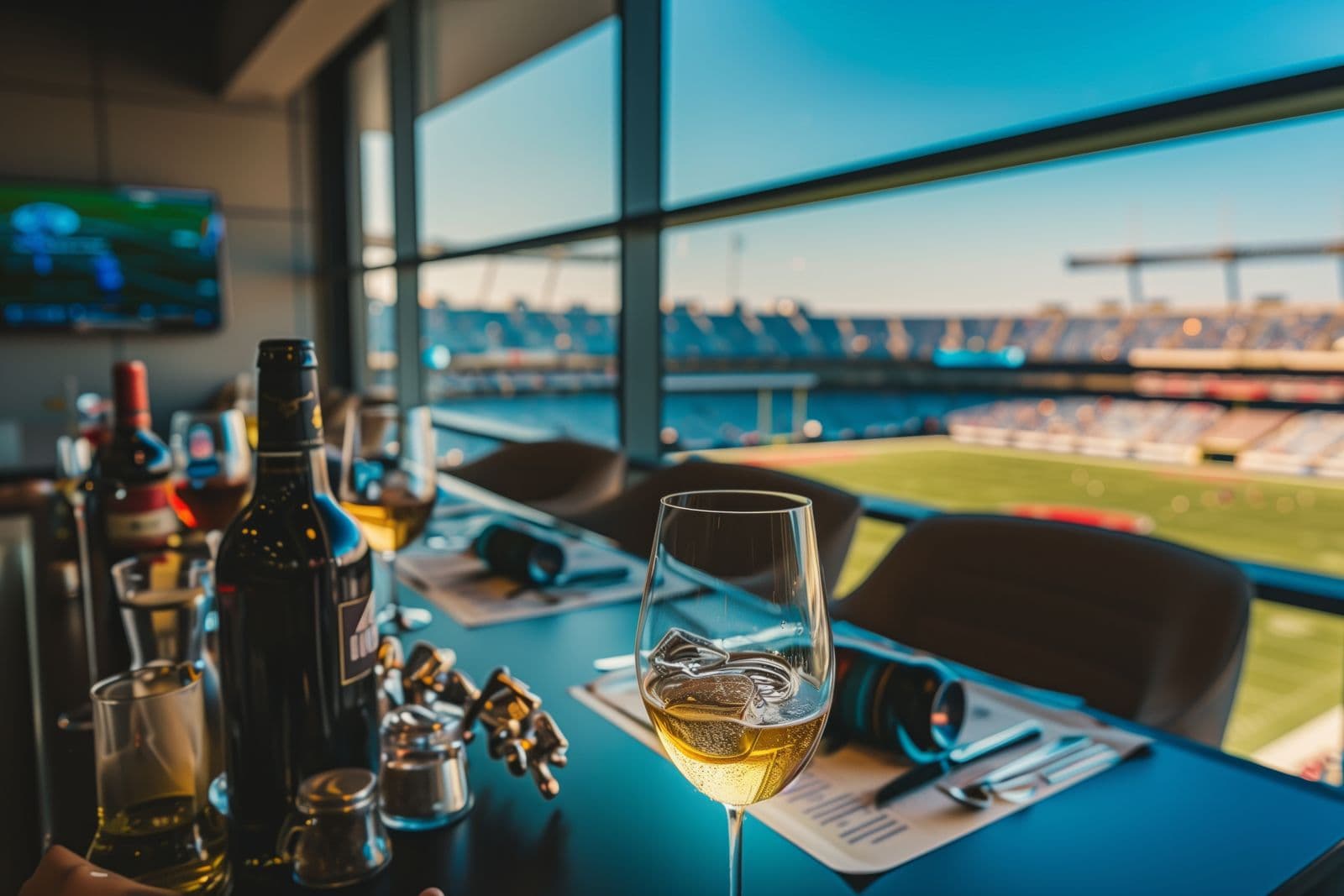
Guest-Facing Venue Upgrades: Managing Life-Safety and Code Risk Without Closing the Doors
Renovating occupied venues means managing egress, occupancy limits, fire protection, and crowd safety in a building full of guests. Phased code compliance, temporary life-safety measures, and AHJ coordination — and the owner's non-delegable responsibility for public safety.

Venue Technology Between Seasons: Upgrade Cycles That Don't Miss Opening Night
Video boards, distributed audio, networks, access control, and point-of-sale systems age on different cycles than the building around them. Owners need a technology refresh roadmap that batches upgrades into off-season windows and proves integration before the doors open.
Capital Planning Lessons Shared by Museums, Performing Arts Venues, and Stadiums
Museums, performing arts centers, and sports venues share more delivery challenges than most owners realize. The capital planning discipline that protects a museum renovation applies directly to arena modernization.
Planning a venue project with an immovable opening date?
Landmark Logix provides owner-side advisory for sports and athletics facilities where delivery discipline, stakeholder coordination, and schedule certainty define project success.