Museum of the Bible
Project Context
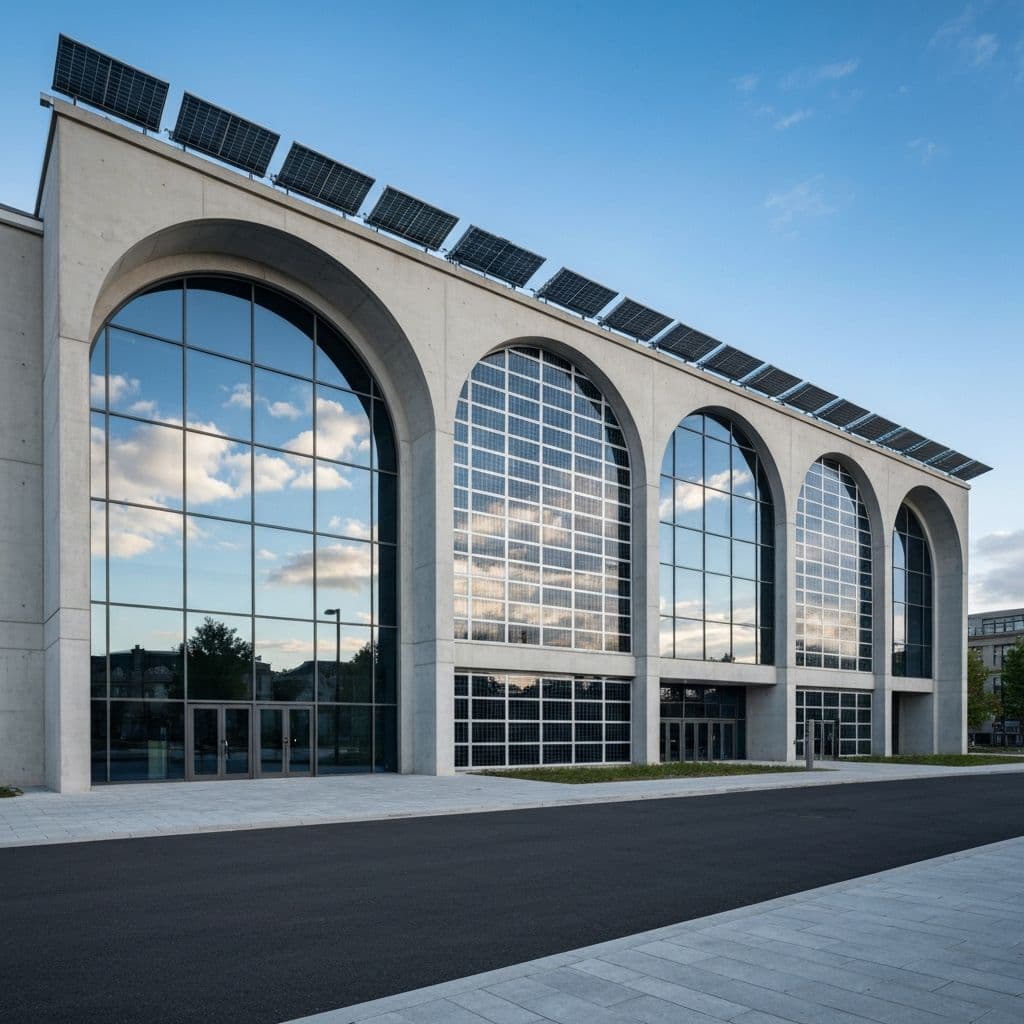
The Museum of the Bible is a 430,000-square-foot museum located just blocks from the U.S. Capitol in Washington, DC. The project involved the transformation of a historic industrial building into a state-of-the-art museum dedicated to exploring the history, narrative, and global impact of the Bible.
Originally constructed in the 1920s as a refrigerated warehouse, the building was completely reimagined to house eight floors of exhibits, including three permanent galleries, a 472-seat performing arts theater, a biblical garden on the rooftop terrace, and multiple dining venues. The project required adaptive reuse of the historic structure alongside integration of advanced exhibit technologies and new museum infrastructure.
The museum opened to the public in November 2017 and has since become a landmark cultural destination in the nation's capital, welcoming over 500,000 visitors annually from around the world.
Project Details
- Location
- Washington, DC
- Client
- Museum of the Bible
- Architect
- SmithGroup
- Construction Manager
- Clark Construction
- Duration
- 48 months
- Project Value
- $500M
- Project Type
- Museum / Cultural Institution
- Sector
- Cultural & Arts
- Categories
- Cultural Institution, Adaptive Reuse, Historic Preservation, Museum
Share
Delivery Challenge
The transformation of the historic Washington Design Center building into the Museum of the Bible required extensive renovation and modernization while preserving key architectural elements. The project demanded coordination across architectural design teams, exhibit designers, technology integrators, and construction teams to deliver a museum experience that integrates advanced multimedia and immersive exhibits.
Delivering a project of this scale within the dense urban environment of Washington, DC introduced additional logistical constraints, including limited site access, strict permitting requirements, and coordination with federal agencies and the DC Historic Preservation Office.
- Adaptive reuse of a 1920s industrial warehouse into a modern cultural institution
- Integration of highly technical exhibit environments with immersive multimedia
- Major structural and infrastructure upgrades across eight floors
- Coordination of 200+ design consultants, contractors, and specialty fabricators
- Maintaining historic architectural character while creating a contemporary museum experience
- Navigating urban site constraints and federal regulatory requirements
Owner-Side Advisory Role
Landmark Logix served as owner's representative throughout the full lifecycle of this project, providing strategic oversight and coordination to help ensure alignment across all stakeholder groups, design teams, and construction teams during the delivery of this landmark cultural institution.
Project Highlights
Project Progression
Planning & Assessment
Historic warehouse evaluation, feasibility studies, and adaptive reuse strategy development
Design & Permitting
Architectural design coordination, exhibit planning, and regulatory approval with DC Historic Preservation Office
Construction & Renovation
Structural renovation, MEP systems installation, and building transformation across eight floors
Exhibits & Opening
Exhibit technology integration, artifact installation, commissioning, and November 2017 grand opening
Key Achievements
On-Time Delivery
Delivered 430,000 sq ft museum on schedule for the November 2017 grand opening despite the scale and complexity of the adaptive reuse project.
Historic Preservation
Successfully preserved the 1920s warehouse character while transforming the structure into a state-of-the-art museum facility meeting modern code requirements.
Technology Integration
Coordinated installation of cutting-edge exhibit technology including virtual reality environments, interactive displays, and immersive multimedia experiences.
Stakeholder Coordination
Managed 200+ design consultants, contractors, and specialty exhibit fabricators across a 48-month project timeline.
Budget Management
Delivered $500M project within budget through disciplined cost controls, change order management, and value engineering.
Cultural Impact
Created a world-class cultural destination welcoming 500,000+ annual visitors and earning recognition as a landmark institution in Washington, DC.
Scope of Services
Landmark Logix provided comprehensive owner's representative services throughout all phases of the Museum of the Bible project:
Pre-Construction & Planning
- Feasibility studies and adaptive reuse planning for the historic warehouse
- Coordination with the DC Historic Preservation Office and federal agencies
- Design team selection and management for architecture, exhibits, and specialty consultants
- Budget development and program cost estimation
Construction & Delivery
- Construction management and quality control oversight
- Schedule management and milestone tracking for the 48-month timeline
- Technology systems integration including A/V, security, and exhibit interactives
- Artifact handling and conservation coordination
- Risk management, commissioning, and project closeout
Advisory Services Applied
Explore the owner-side advisory capabilities relevant to this engagement.
Strategic Planning & Advisory
Owner's representation, feasibility assessment, governance frameworks, and stakeholder alignment — establishing the strategic foundation for complex projects.
Construction Management & Quality Control
Independent field oversight, quality assurance, and contractor accountability — ensuring what gets built matches what was designed and contracted.
Technology Integration & Project Transition
Systems commissioning, technology verification, and operational transition — ensuring the building works before the owner accepts it.
Considering owner-side advisory for a complex cultural institution project?
Landmark Logix provides independent advisory and owner-side oversight to help institutions navigate complex capital projects with confidence.