
Landmark Logix
AboutServicesSectorsProjectsProcessInsightsContact
Managing Adaptive Reuse Projects: Balancing Preservation and Performance
Back to InsightsHistoric Preservation

Managing Adaptive Reuse Projects: Balancing Preservation and Performance

Adaptive reuse projects demand a different kind of project leadership — one that respects historic character while delivering modern performance and code compliance.

Landmark LogixJanuary 20, 20261 min read

Why Adaptive Reuse Is Different

Adaptive reuse projects begin with an existing structure — often one with historic significance, deferred maintenance, or outdated building systems. Unlike new construction, the building itself is both the asset and the constraint.

Key Challenges

Hidden Conditions

Existing buildings routinely reveal unforeseen structural, environmental, or systems conditions once work begins. Effective project leadership includes:

  • Comprehensive pre-construction assessment
  • Contingency budgeting appropriate to building age and condition
  • Phased investigation strategies that reduce risk before major commitments

Regulatory Navigation

Historic buildings often involve multiple regulatory frameworks:

  • National Register or local landmark requirements
  • State Historic Preservation Office (SHPO) review
  • Building code compliance with modern accessibility and life safety standards
  • Environmental remediation requirements

Preservation vs. Performance

Every decision in an adaptive reuse project involves a tradeoff between preserving historic character and achieving modern performance standards. Project leadership must:

  • Establish clear preservation priorities before design begins
  • Coordinate between preservation consultants and building systems engineers
  • Document decision rationale for regulatory review and institutional records

Best Practices

  1. Invest in assessment — thorough building investigation before design saves multiples of its cost during construction
  2. Engage specialists early — historic preservation architects, structural engineers, and environmental consultants should be involved from project inception
  3. Build in contingency — 10-15% contingency is standard; historic buildings often warrant 15-20%
  4. Coordinate regulatory review — begin preservation agency coordination during schematic design, not after construction documents

Conclusion

Adaptive reuse is one of the most rewarding — and most complex — forms of capital project delivery. With experienced project leadership, institutions can preserve architectural heritage while creating buildings that serve modern needs for decades to come.

Share

Key Takeaway

Successful adaptive reuse requires early investment in building assessment and a project team experienced in historic preservation constraints.

More Insights

Continue exploring practical perspectives on project leadership and delivery.

Capital Planning Lessons Shared by Museums, Performing Arts Venues, and Stadiums
Capital Planning·12 min read

Capital Planning Lessons Shared by Museums, Performing Arts Venues, and Stadiums

Museums, performing arts centers, and sports venues share more delivery challenges than most owners realize. The capital planning discipline that protects a museum renovation applies directly to arena modernization.

Read article
How Cultural Institutions Plan Major Capital Projects
Capital Planning·5 min read

How Cultural Institutions Plan Major Capital Projects

Cultural institutions face unique capital planning challenges that demand specialized project leadership, from balancing preservation with modernization to navigating complex stakeholder landscapes.

Read article
Owner-Side Governance for Complex Venue Modernization Projects
Project Governance·11 min read

Owner-Side Governance for Complex Venue Modernization Projects

Venue modernization projects fail more often from governance gaps than from technical problems. Owners who establish clear decision-making frameworks before construction begins are far more likely to deliver on time and on budget.

Read article
View All Insights

Related Services

Explore Landmark Logix services relevant to the topics discussed in this article.

Design & Regulatory Management

Independent design oversight, regulatory coordination, and compliance management that protects owner interests across permitting, preservation, and design phases.

Learn more

Construction Management & Quality Control

Independent field oversight, quality assurance, and contractor accountability — ensuring what gets built matches what was designed and contracted.

Learn more

Contract Administration & Risk Management

Owner-side contract oversight, change order management, risk visibility, and dispute prevention that keep projects on terms and on track.

Learn more
View All Services

Related Sectors

Explore sectors where the insights discussed in this article are most applicable.

Cultural & Arts sector

Cultural & Arts

Museums, theaters, and cultural centers that enrich communities and preserve heritage.

Explore sector
Civic & Government sector

Civic & Government

Public facilities and government buildings serving communities with distinction.

Explore sector
View All Sectors

Related Projects

Projects where Landmark Logix applied the approaches discussed in this article.

Jake M. Godbold City Hall Annex
Project

Jake M. Godbold City Hall Annex

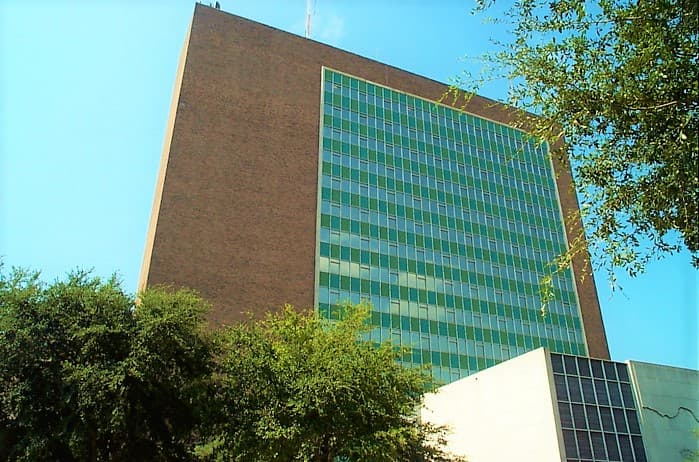
Case study of the adaptive reuse and renovation of the Jake M. Godbold City Hall Annex in Jacksonville, Florida, converting a historic YMCA building into municipal government offices.

Learn more
Farrand House
Project

Farrand House

Case study of the new Farrand House at Dumbarton Oaks in Washington, DC, a purpose-built education building designed to support contemporary academic use within a historic campus.

Learn more
Museum of the Bible
Project

Museum of the Bible

Case study of the Museum of the Bible project in Washington, DC — a 430,000-square-foot museum developed through the adaptive reuse of a historic building. Landmark Logix provided owner's representation and project leadership.

Learn more

Ready to discuss your project?

Landmark Logix provides experienced owner-side leadership for complex capital projects. Let's explore how we can support your goals.

Discuss Your Project
Landmark Logix

Owner-side project leadership for complex capital projects requiring structure, coordination, and disciplined oversight.

Services

  • Services Overview
  • Strategic Planning & Advisory
  • Procurement & Financial Management
  • Contract Administration & Risk
  • Construction Management & QC

Portfolio

  • Projects
  • Insights

Sectors

  • Cultural & Arts
  • Sports & Athletics
  • Hospitality & Tourism
  • Mixed-Use Development
  • Civic & Government
  • All Sectors

Contact

  • (202) 643-5467
  • info@landmarklogix.com
  • Alexandria, VA

Occasional insights on project leadership, planning, and complex capital delivery.

You can unsubscribe at any time. See our Privacy Policy.

© 2026 Landmark Logix. All rights reserved.

Privacy PolicyTerms of ServiceSite MapDelete My Data